

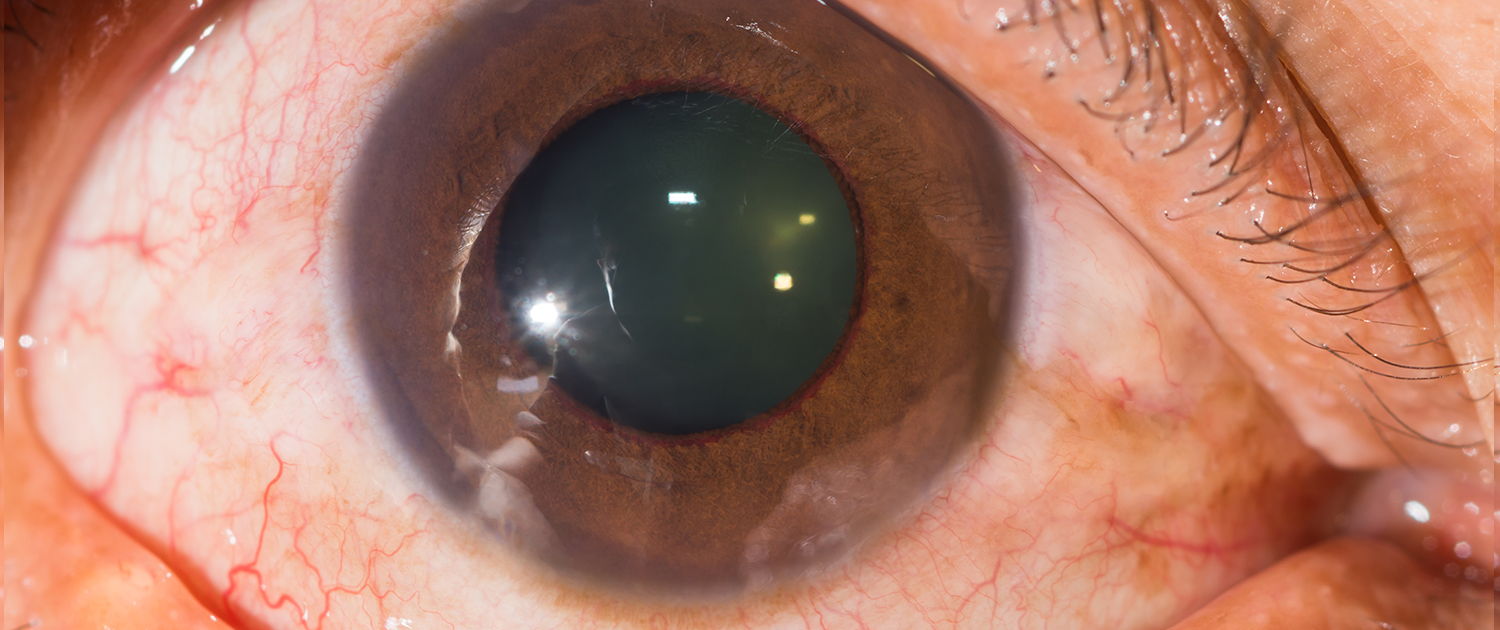
Glaucoma is a group of eye diseases that cause damage to the optic nerve, often due to increased pressure within the eye, leading to gradual vision loss. This condition is one of the leading causes of blindness worldwide, making early detection and treatment crucial in preserving vision. Since glaucoma often develops slowly and painlessly, it can go unnoticed for years, with many people unaware they have it until significant vision loss occurs. Understanding the symptoms of glaucoma is vital for early intervention and effective management.
What is Glaucoma?
Glaucoma refers to a series of eye conditions that cause damage to the optic nerve, which transmits visual information from the eye to the brain. Most cases are linked to increased intraocular pressure (IOP), the pressure inside the eye. This elevated pressure can damage the delicate optic nerve fibers, leading to vision impairment or blindness if left untreated.
There are two primary types of glaucoma:
- Open-Angle Glaucoma: The most common form, where the drainage canals in the eye become clogged over time, leading to a gradual increase in intraocular pressure.
- Angle-Closure Glaucoma: This is a less common, but more severe, form of glaucoma where the iris (the colored part of the eye) blocks the drainage canals, leading to a sudden and sharp increase in intraocular pressure.
Common Symptoms of Glaucoma
Unlike many other eye conditions, glaucoma can develop without noticeable symptoms in its early stages. In fact, many people with open-angle glaucoma do not experience any symptoms until the disease has reached a more advanced stage. However, some signs may indicate the presence of glaucoma, particularly in its later stages. The following are some of the key symptoms to watch for:
1. Gradual Loss of Peripheral Vision
One of the hallmark symptoms of glaucoma is the gradual loss of peripheral or side vision, often referred to as “tunnel vision.” This occurs because the damage to the optic nerve typically starts at the outer edges of the visual field and progresses inward. As the disease progresses, individuals may not notice the loss of their peripheral vision at first, as the brain compensates for it. Eventually, if untreated, the narrowing of the visual field becomes more apparent and can lead to central vision loss.
2. Blurry or Cloudy Vision
In more advanced stages of glaucoma, individuals may begin to notice blurry or cloudy vision, particularly when trying to focus on objects. This can be due to the buildup of pressure within the eye or because the damage to the optic nerve disrupts the transmission of visual signals to the brain. People with glaucoma may also experience a reduction in their ability to focus on fine details.
3. Severe Eye Pain
While open-angle glaucoma typically causes little or no pain, angle-closure glaucoma can lead to sudden and severe eye pain. This type of glaucoma is a medical emergency and requires immediate attention. The pain can be accompanied by redness in the eye, blurred vision, and nausea or vomiting. If you experience intense eye pain along with these symptoms, seek medical attention immediately, as angle-closure glaucoma can lead to permanent vision loss within hours if not treated promptly.
4. Halos Around Lights
Another symptom of glaucoma is the appearance of halos or rainbow-colored circles around lights. This can occur due to changes in the pressure and shape of the eye’s lens, which distorts the way light enters the eye. People with glaucoma may notice this symptom more when driving at night, as it can make headlights and streetlights appear blurred or surrounded by rings.
5. Redness in the Eye
In some cases of glaucoma, especially angle-closure glaucoma, the eye may appear red or bloodshot. This is due to the increased pressure within the eye, which can cause blood vessels to dilate. If the eye is persistently red and accompanied by pain, blurry vision, or nausea, it’s important to seek immediate medical advice.
6. Frequent Change in Prescription Glasses
As glaucoma progresses, changes in vision can lead to a frequent need for updated prescriptions for glasses or contact lenses. If you find that your vision is becoming blurrier or that your prescription is changing frequently, it could be a sign of increased intraocular pressure or optic nerve damage. This symptom is more common in individuals with open-angle glaucoma, as the condition develops slowly and often results in subtle changes in vision.
7. Nausea and Vomiting
When glaucoma causes a rapid and significant increase in intraocular pressure, particularly in the case of angle-closure glaucoma, nausea and vomiting can occur. This is a serious symptom that often accompanies the severe eye pain and blurred vision associated with this type of glaucoma. If you experience these symptoms, it’s crucial to seek medical attention without delay.
Risk Factors for Glaucoma
Certain individuals are more likely to develop glaucoma, and understanding these risk factors can help in early detection. Some of the common risk factors include:
- Age: Glaucoma becomes more common with age, particularly after the age of 60.
- Family history: A family history of glaucoma significantly increases the risk of developing the condition.
- Race: People of African, Hispanic, or Asian descent are at a higher risk for certain types of glaucoma.
- Medical conditions: Conditions such as diabetes, high blood pressure, and heart disease can increase the likelihood of developing glaucoma.
- Eye injuries: Previous eye injuries or surgeries can increase the risk of glaucoma.
- Long-term use of corticosteroids: Prolonged use of corticosteroid medications, either orally or topically, can increase the risk of glaucoma.
Diagnosing Glaucoma
If you are at risk for glaucoma or experiencing any of the above symptoms, it is important to schedule regular eye exams. Glaucoma can be diagnosed through a comprehensive eye exam that includes:
- Tonometry: Measures the intraocular pressure to detect signs of glaucoma.
- Ophthalmoscopy: Allows the doctor to inspect the optic nerve for damage.
- Perimetry: Tests the visual field to check for any loss of peripheral vision.
- Gonioscopy: Examines the angle of the eye where the cornea and iris meet to determine the type of glaucoma.
Treatment and Management
While there is no cure for glaucoma, early diagnosis and treatment can help slow its progression and preserve vision. Treatment options typically focus on lowering intraocular pressure to prevent further damage to the optic nerve. Some common treatments include:
- Medications: Prescription eye drops or oral medications can help lower intraocular pressure.
- Laser therapy: Laser treatments can help improve the drainage of fluids from the eye, reducing pressure.
- Surgery: In more severe cases, surgical procedures may be required to create a new drainage path for the eye’s fluids.
Conclusion
Understanding the symptoms of glaucoma is crucial in preventing irreversible damage to the optic nerve and preserving vision. Since the condition often progresses without noticeable signs in the early stages, it is important to have regular eye exams, especially if you are at higher risk. By recognizing the signs and seeking prompt medical attention, individuals can manage glaucoma effectively and protect their long-term eye health. Regular check-ups and proactive management are key to maintaining vision and preventing blindness caused by this silent yet serious eye condition.
Comments are closed.