

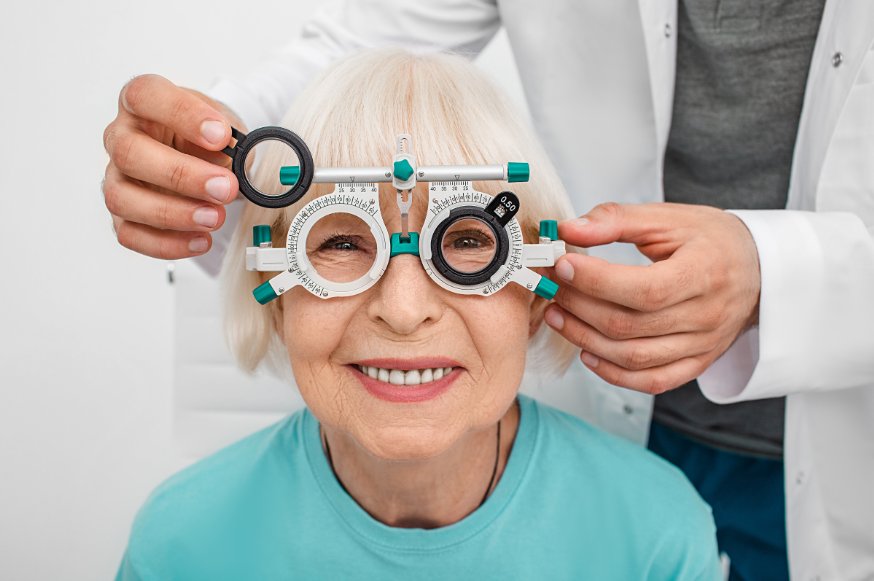
As we age, our eyes go through a series of natural changes that can affect our vision. Seniors are particularly vulnerable to various eye conditions, such as cataracts, glaucoma, macular degeneration, and diabetic retinopathy. However, with the right approach to eye care, many of these conditions can be managed or prevented. Taking proactive steps to care for your eyes can ensure that your vision remains sharp and your eye health stays intact as you grow older. Below are key eye care tips for seniors, focusing on habits and practices that support long-term eye health.
1. Regular Eye Exams Are Essential
One of the most important steps in maintaining good eye health as you age is scheduling regular eye exams with an optometrist or ophthalmologist. Even if you feel that your vision is fine, many eye diseases develop gradually and may not show noticeable symptoms until significant damage has occurred. Routine eye exams are essential for detecting conditions like glaucoma, which can cause irreversible vision loss if not treated early.
Why It’s Important:
- Detects eye diseases in the early stages
- Monitors for age-related conditions such as macular degeneration
- Allows for timely adjustments to glasses or contact lenses
For seniors, eye exams should be conducted at least once a year. Your eye doctor will check for various conditions, assess the overall health of your eyes, and recommend any necessary treatments or corrective measures.
2. Protect Your Eyes from UV Damage
Exposure to ultraviolet (UV) rays can significantly increase the risk of developing cataracts, macular degeneration, and other eye conditions. The sun’s harmful rays can cause damage to the delicate tissues in the eye over time. Wearing sunglasses that block 100% of UVA and UVB rays is one of the easiest ways to protect your eyes from this long-term damage.
What to Look for in Sunglasses:
- 100% UVA and UVB protection
- Wraparound style to reduce exposure from the sides
- Polarized lenses to reduce glare
Additionally, wearing a wide-brimmed hat when outdoors can provide extra protection from the sun, shielding your eyes from direct sunlight. Even on cloudy days, UV rays can still cause harm, so it’s essential to make UV protection a daily habit.
3. Maintain a Healthy Diet for Eye Health
A nutritious diet plays a crucial role in maintaining eye health as we age. Certain vitamins and nutrients are known to protect the eyes and support vision, including vitamins A, C, and E, omega-3 fatty acids, and lutein. These nutrients help prevent age-related eye conditions such as macular degeneration and cataracts.
Eye-Healthy Foods to Include in Your Diet:
- Leafy greens (spinach, kale) for lutein and zeaxanthin
- Carrots and sweet potatoes for vitamin A
- Fatty fish (salmon, mackerel) for omega-3 fatty acids
- Citrus fruits and berries for vitamin C
- Nuts and seeds for vitamin E
Incorporating these foods into your diet not only benefits your eyes but also supports overall health. A well-rounded diet rich in antioxidants can help reduce inflammation and prevent oxidative stress that can lead to eye diseases.
4. Stay Hydrated
Proper hydration is often overlooked when considering eye health, but it’s essential for keeping the eyes moist and functioning properly. Dehydration can lead to dry eye syndrome, a condition where the eyes don’t produce enough tears to stay lubricated, causing discomfort, redness, and even blurred vision.
Tips for Staying Hydrated:
- Drink plenty of water throughout the day
- Use a humidifier to maintain moisture in dry environments
- Avoid long periods of exposure to air conditioning or heating, which can dry out the eyes
If you suffer from dry eyes, consider using artificial tear drops to help lubricate the eyes and relieve discomfort. These can be purchased over-the-counter at most pharmacies.
5. Exercise Regularly for Eye and Overall Health
Physical activity is beneficial for many aspects of health, including eye health. Regular exercise can help maintain optimal blood circulation, which is essential for delivering oxygen and nutrients to the eyes. Additionally, exercise helps to control underlying health conditions, such as diabetes and hypertension, that can affect vision.
Eye-Related Benefits of Exercise:
- Improves circulation to the eyes and optic nerve
- Reduces the risk of diabetes-related eye complications
- Maintains healthy blood pressure, which is important for reducing the risk of glaucoma
Low-impact activities such as walking, swimming, or yoga are excellent choices for seniors, as they promote general well-being without putting strain on the joints.
6. Quit Smoking
Smoking is one of the most significant risk factors for developing eye diseases. It has been linked to an increased risk of cataracts, macular degeneration, and optic nerve damage. The toxins in cigarette smoke can cause oxidative stress and reduce the blood flow to the eyes, leading to long-term damage.
Benefits of Quitting Smoking:
- Reduces the risk of cataracts and macular degeneration
- Improves overall health and circulation to the eyes
- Lowers the risk of developing diabetic retinopathy
If you smoke, consider seeking support to quit. There are many resources available to help seniors break the habit, from smoking cessation programs to nicotine replacement therapies.
7. Proper Use of Corrective Lenses
As we age, our vision may change, and we may need corrective lenses to help us see clearly. Whether you wear glasses or contact lenses, it’s important to ensure that your prescription is up to date. Wearing glasses or contacts that are no longer effective can strain your eyes and lead to headaches or eye fatigue.
Tips for Proper Lens Care:
- Schedule regular eye exams to update your prescription
- Clean lenses regularly to avoid dirt or scratches
- Take breaks from wearing contacts to allow your eyes to rest
For those who struggle with the inconvenience of glasses or contacts, there are surgical options, such as LASIK or lens implants, that may be suitable for some seniors. Discuss these options with your eye care specialist if you are considering corrective surgery.
8. Manage Chronic Health Conditions
Chronic health conditions such as diabetes, high blood pressure, and high cholesterol can have a significant impact on eye health. These conditions can lead to eye problems such as diabetic retinopathy, glaucoma, or hypertensive retinopathy. Managing these conditions through proper medication, regular check-ups, and healthy lifestyle changes can help reduce the risk of eye complications.
Ways to Manage Chronic Conditions:
- Keep blood sugar levels under control if you have diabetes
- Monitor blood pressure regularly and follow your doctor’s recommendations
- Eat a heart-healthy diet and take medications as prescribed
By keeping these conditions in check, seniors can reduce the strain on their eyes and maintain healthier vision for longer.
9. Consider Vision Aids and Technology
As age-related vision changes occur, seniors may benefit from various vision aids and technology to help them see more clearly. Devices such as magnifying glasses, large print books, and specialized computer screens can make daily tasks easier. Additionally, some smartphones and tablets have accessibility features, such as screen magnifiers and text-to-speech tools, that can assist with reading and navigation.
Vision Aids to Consider:
- Magnifiers for reading
- Large-button remote controls and phones
- E-readers with adjustable text sizes
Incorporating these tools into daily life can greatly enhance independence and comfort for seniors with declining vision.
Conclusion
Eye care is crucial for seniors, and with the right approach, many common age-related eye conditions can be prevented or managed effectively. Regular eye exams, UV protection, a nutrient-rich diet, hydration, exercise, and managing chronic health conditions are all essential elements of a comprehensive eye care routine. By adopting these habits and seeking appropriate treatments when necessary, seniors can maintain optimal eye health and enjoy clear, comfortable vision throughout their later years.
Comments are closed.