

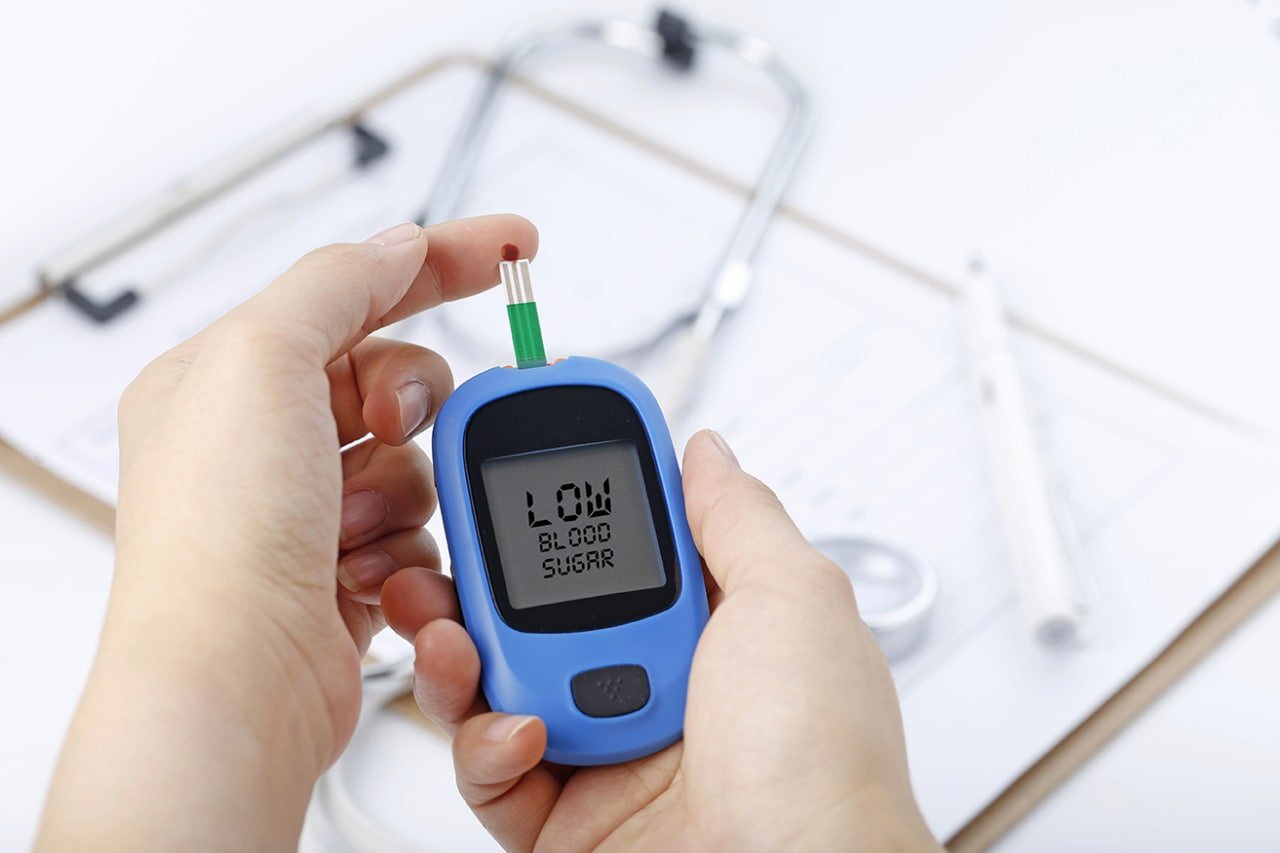
Hypoglycemia, or low blood sugar, is a condition that occurs when the glucose (sugar) level in the blood drops below normal. Glucose is a primary source of energy for the body, particularly for the brain. When levels fall too low, it can lead to a variety of symptoms, and if left untreated, it may result in serious complications. Recognizing and treating hypoglycemia promptly is crucial for maintaining overall health and preventing long-term issues.
This guide will walk you through how to recognize the symptoms of hypoglycemia, what causes it, and the proper steps for treatment.
1. What Causes Hypoglycemia?
Several factors can lead to hypoglycemia, including:
- Medications: Insulin and other diabetes medications that help lower blood sugar can sometimes cause blood sugar to drop too low, especially if the dose is too high or if meals are skipped.
- Insulin Overuse: Those with diabetes who inject insulin or use oral medications to regulate blood sugar may experience hypoglycemia if the body responds too strongly to the insulin.
- Skipping Meals or Eating Too Little: When the body doesn’t receive enough food to balance insulin levels, blood sugar can dip too low.
- Intense Exercise: Physical activity uses up glucose stored in muscles, and without proper nutrition before or after exercise, it may lead to low blood sugar.
- Alcohol Consumption: Drinking alcohol, particularly on an empty stomach, can impair the liver’s ability to release glucose into the bloodstream, leading to hypoglycemia.
While hypoglycemia is most commonly seen in people with diabetes, it can also affect individuals without the condition, especially if they are exposed to the factors mentioned above.
2. Recognizing the Symptoms of Hypoglycemia
Being able to recognize the signs of hypoglycemia is crucial for managing the condition effectively. Early symptoms include:
- Shakiness: One of the most common initial signs of low blood sugar is trembling or feeling shaky.
- Sweating: Unexplained sweating, especially in cool conditions, can indicate a drop in blood sugar.
- Rapid Heartbeat: A racing heart is often seen with hypoglycemia as the body reacts to the stress of low glucose.
- Hunger: Intense, sudden hunger can occur as the body seeks a quick source of glucose.
- Dizziness or Lightheadedness: Low blood sugar can cause a feeling of dizziness, often accompanied by weakness or fatigue.
- Confusion or Difficulty Concentrating: As the brain relies heavily on glucose, a significant drop can lead to confusion, poor focus, or difficulty with tasks that require thought.
- Irritability: A person experiencing hypoglycemia might become unusually irritable or anxious.
- Blurred Vision: A lack of glucose can cause temporary vision issues, making it difficult to focus clearly.
If hypoglycemia continues to worsen, more severe symptoms may appear, such as:
- Severe confusion or disorientation
- Seizures
- Loss of consciousness
Recognizing these early symptoms can allow for prompt action to restore normal blood sugar levels and prevent these severe complications.
3. Treating Hypoglycemia
When hypoglycemia is suspected, it is important to act quickly to raise the blood sugar level to a safe range. The treatment for hypoglycemia involves consuming a quick source of glucose.
a) For Mild Symptoms
If you or someone you are caring for is experiencing mild symptoms of hypoglycemia (shakiness, sweating, hunger, etc.), the following steps should be taken immediately:
- Consume Quick-Acting Carbohydrates: Foods or drinks that contain fast-digesting carbohydrates will help raise blood sugar levels quickly. The recommended amount is around 15 grams of fast-acting carbs. Good options include:
- A small glass of fruit juice (about 4 ounces)
- Regular soda (about 4 ounces)
- Glucose tablets or gel (follow package instructions)
- A tablespoon of honey or sugar
- Wait 15 Minutes: After consuming the sugar, wait for about 15 minutes to allow the body time to absorb the glucose and raise blood sugar levels. If symptoms do not improve or blood sugar remains low, repeat the process.
- Recheck Blood Sugar: If you have a blood glucose meter, check your blood sugar to ensure it has returned to a normal level (70-100 mg/dL for most individuals).
b) For Severe Symptoms
In more severe cases where a person is unable to swallow or is unconscious, it may not be safe to give them food or drink. In such cases:
- Call Emergency Services: Always seek immediate medical attention if the person becomes unconscious or unresponsive. Emergency responders can provide intravenous glucose or glucagon injections.
- Glucagon Injection: If you are caring for someone with diabetes and are trained in its use, a glucagon injection may be administered. This hormone helps raise blood glucose levels by stimulating the liver to release stored glucose. It is important to note that glucagon should only be administered by those familiar with the procedure, as improper use can cause harm.
4. Preventing Hypoglycemia
For individuals at risk, there are steps that can be taken to prevent hypoglycemia from occurring in the first place:
- Maintain Regular Meals and Snacks: Eating balanced meals regularly can help keep blood sugar levels stable. If you are on diabetes medication, avoid skipping meals or eating too little.
- Monitor Blood Sugar Levels: For those with diabetes, regularly monitoring blood sugar can help prevent hypoglycemia by ensuring that medications are adjusted accordingly.
- Adjust Medication as Needed: People with diabetes should work with their healthcare provider to find the correct insulin or medication dose. Keep track of any patterns that may lead to low blood sugar and discuss these with your doctor.
- Carry Fast-Acting Carbohydrates: Individuals who are at risk for hypoglycemia should always have a source of quick sugar (glucose tablets, juice, etc.) on hand in case of an emergency.
- Exercise with Caution: If engaging in physical activity, it is important to monitor blood sugar levels before, during, and after exercise. Have a snack or meal that includes carbohydrates if you plan on exercising for extended periods.
5. When to Seek Medical Help
If hypoglycemia becomes severe or does not respond to treatment, it is important to seek medical attention immediately. Additionally, anyone who experiences recurrent episodes of low blood sugar should consult their healthcare provider to adjust their treatment plan and identify any underlying issues.
Final Considerations
Recognizing and treating hypoglycemia promptly can prevent severe consequences. Whether it’s through identifying early symptoms or administering the correct treatment, quick action is key to managing low blood sugar. Always be proactive about preventing hypoglycemia by maintaining a balanced diet, monitoring blood sugar levels, and carrying fast-acting carbohydrates when needed. With these steps, you can reduce the risk of complications and ensure better overall health.
Comments are closed.