

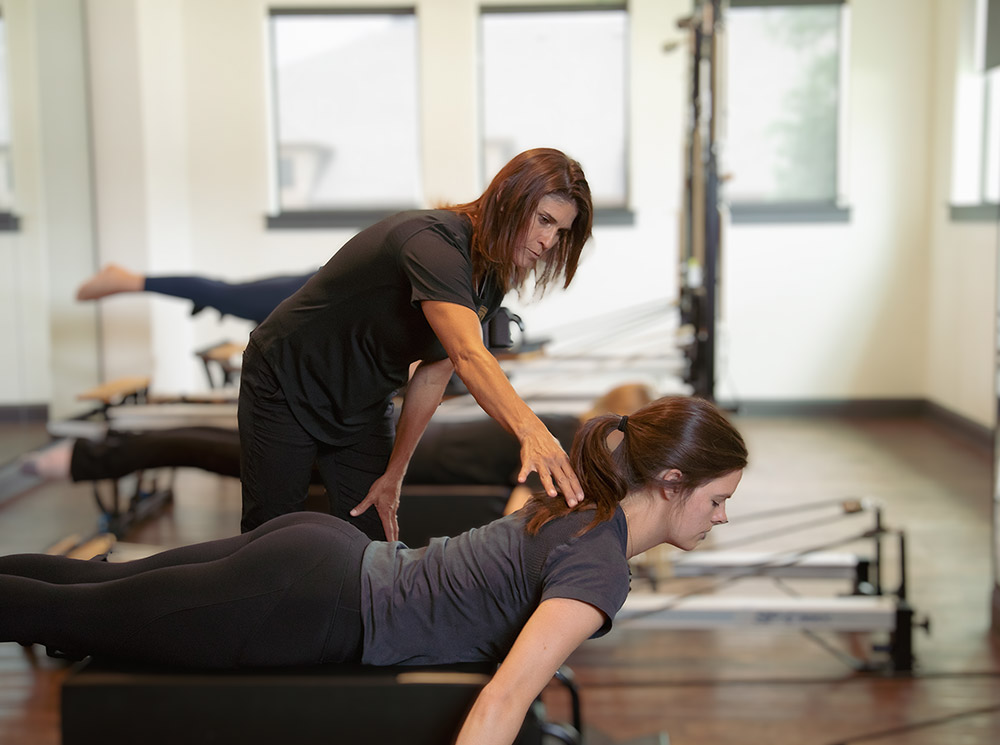
Posture and mobility play a critical role in overall physical health, movement efficiency, and injury prevention. Poor posture can lead to muscle imbalance, chronic discomfort, fatigue, and reduced flexibility, while limited mobility restricts daily performance and exercise capacity.
Improving posture and mobility does not require complicated routines. With consistent habits and targeted exercises, it is possible to strengthen alignment, increase flexibility, and support long-term body function.
Understanding the Importance of Posture and Mobility
Posture refers to how the body aligns during sitting, standing, and movement. Mobility describes how freely joints move through their natural range without discomfort.
Together they support:
- Better spinal alignment
- Reduced muscle tension
- Improved breathing efficiency
- Increased flexibility and coordination
- Lower risk of joint strain and injury
Maintaining proper posture and mobility improves both physical performance and everyday comfort.
Strengthen Core Muscles for Spinal Support
Core muscles stabilize the spine and help maintain correct body alignment throughout daily activities.
Effective exercises include:
- Plank holds
- Bird dog exercise
- Dead bug movement
- Side plank variations
Strengthening the core reduces pressure on the lower back and supports upright posture naturally.
Practicing these exercises three times weekly improves spinal stability and movement control.
Stretch the Chest to Correct Forward Shoulder Position
Modern lifestyles often involve extended screen time, which encourages rounded shoulders and forward head posture.
Chest-opening stretches help restore balance by relaxing tight muscles in the upper body.
Helpful stretches include:
- Wall chest stretch
- Doorway stretch
- Arm extension stretch
These movements allow shoulders to return to a healthier alignment position.
Improve Hip Mobility for Better Movement Efficiency
Tight hips often contribute to lower back discomfort and poor posture.
Exercises that improve hip mobility include:
- Hip flexor stretch
- Deep squat hold
- Glute bridge
- Leg swings
Flexible hips support smoother walking patterns and reduce stress on surrounding joints.
Practicing hip mobility exercises regularly improves movement comfort and balance.
Strengthen Upper Back Muscles for Shoulder Alignment
Weak upper back muscles can lead to rounded shoulders and neck strain.
Strengthening these muscles improves posture by supporting shoulder positioning.
Effective exercises include:
- Resistance band rows
- Reverse arm raises
- Scapular squeezes
- Wall slides
These movements encourage proper shoulder placement and reduce tension in the neck area.
Practice Daily Neck Mobility Exercises
Neck stiffness is common among individuals who spend long hours sitting.
Simple daily movements help maintain flexibility:
- Gentle side tilts
- Controlled neck rotations
- Chin tuck exercise
- Forward and backward neck movements
These exercises reduce strain and improve head positioning.
Performing them slowly ensures safety and effectiveness.
Maintain Proper Sitting Habits Throughout the Day
Posture improvement is not limited to workouts. Daily sitting habits influence spinal alignment significantly.
Healthy sitting practices include:
- Keeping feet flat on the floor
- Maintaining a neutral spine
- Positioning screens at eye level
- Supporting the lower back
- Avoiding prolonged sitting without breaks
Taking short movement breaks every hour helps maintain mobility.
Add Dynamic Stretching Before Physical Activity
Dynamic stretching prepares joints for movement and improves flexibility before exercise.
Examples include:
- Arm circles
- Torso rotations
- Leg swings
- Walking lunges
These movements increase circulation and activate muscles effectively.
Dynamic mobility preparation supports safe and efficient workouts.
Strengthen Lower Body Muscles for Balance and Stability
Strong lower body muscles support posture by stabilizing the pelvis and spine.
Recommended strengthening exercises include:
- Squats
- Lunges
- Step-ups
- Calf raises
These exercises enhance stability and reduce pressure on joints during movement.
Consistent lower body training improves coordination and posture control.
Improve Breathing Patterns to Support Alignment
Breathing affects posture more than many people realize.
Deep breathing activates stabilizing muscles in the core and supports spinal alignment.
Healthy breathing habits include:
- Slow inhalation through the nose
- Controlled exhalation
- Maintaining relaxed shoulders while breathing
Proper breathing reduces tension in the upper body and supports movement efficiency.
Stay Consistent With Daily Mobility Practice
Mobility improvement depends on regular practice rather than occasional effort.
Simple daily strategies include:
- Stretching after waking up
- Taking short movement breaks during work
- Performing evening flexibility exercises
- Maintaining proper posture awareness throughout the day
Consistency leads to long-term improvement in comfort and movement quality.
Frequently Asked Questions
How long does it take to improve posture naturally
Noticeable improvements often begin within three to four weeks of regular stretching and strengthening exercises.
Can poor posture cause long term health problems
Yes. Poor posture can contribute to chronic back discomfort, neck strain, reduced breathing efficiency, and joint stress over time.
Are mobility exercises safe for beginners
Yes. Most mobility exercises are low impact and suitable for beginners when performed slowly and correctly.
Is walking helpful for improving posture
Walking strengthens supporting muscles and encourages natural spinal alignment when performed with proper body positioning.
How often should mobility exercises be practiced
Practicing mobility exercises at least five days weekly helps maintain flexibility and joint function.
Can posture improve without gym equipment
Yes. Many posture correction exercises use bodyweight movements and simple stretching techniques that require no equipment.
Does posture affect breathing efficiency
Yes. Proper posture allows the lungs to expand fully, improving oxygen intake and supporting overall energy levels.
Comments are closed.