

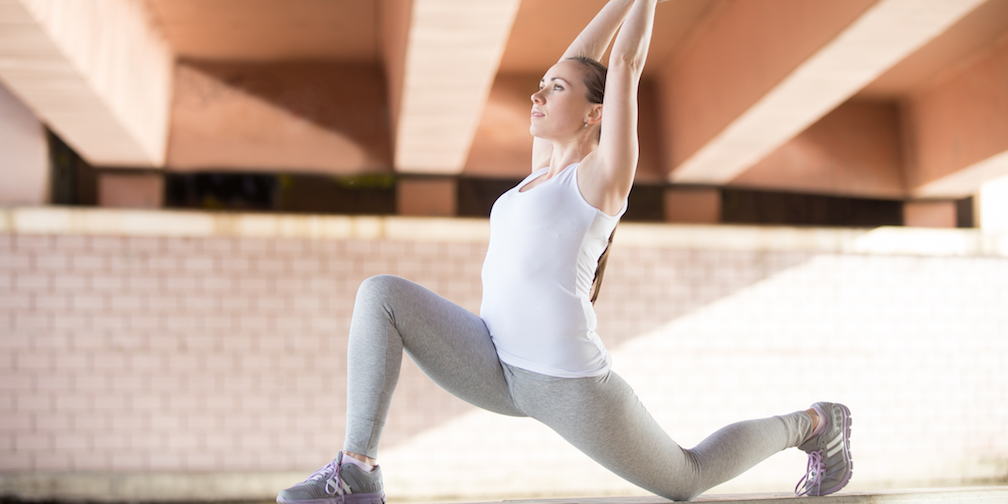
Flexibility plays an essential role in maintaining mobility, preventing injuries, and supporting overall physical comfort. Many people overlook stretching exercises, yet simple daily movements can gradually increase flexibility without requiring special equipment or intense training.
This article explains easy exercises that naturally improve flexibility and help maintain healthy joints and muscles.
Why Flexibility Is Important for the Body
Flexibility supports smooth movement and reduces muscle stiffness. It also improves posture and helps the body perform daily tasks more efficiently.
Important benefits of flexibility include:
- Improved joint mobility
- Reduced muscle tension
- Better posture and alignment
- Lower risk of injuries
- Enhanced blood circulation
- Easier movement during daily activities
Practicing flexibility exercises regularly helps the body stay active and balanced.
Neck Stretch for Reducing Upper Body Stiffness
The neck often becomes tight due to long hours of sitting and screen use. Gentle stretching helps release tension and improve movement.
Steps to perform:
- Sit or stand upright
- Slowly tilt the head toward one shoulder
- Hold for ten seconds
- Repeat on the opposite side
Practicing this stretch daily helps reduce neck discomfort and improves posture.
Shoulder Stretch to Improve Arm Mobility
Shoulder flexibility supports upper body strength and prevents stiffness during routine movements.
How to perform:
- Extend one arm across the chest
- Hold the arm gently with the opposite hand
- Maintain the stretch for fifteen seconds
- Switch sides and repeat
This exercise helps improve shoulder movement and reduces tightness.
Standing Hamstring Stretch for Lower Body Flexibility
Hamstrings often become tight due to prolonged sitting. Stretching them regularly improves posture and walking comfort.
Steps include:
- Stand straight with feet together
- Slowly bend forward toward the toes
- Keep knees slightly relaxed
- Hold the position for fifteen seconds
Regular practice supports lower body flexibility and balance.
Cat Cow Stretch for Spinal Mobility
The cat cow stretch improves flexibility in the spine and helps relieve back stiffness.
How to perform:
- Start on hands and knees
- Arch the back upward slowly
- Then lower the spine gently
- Repeat this movement several times
This exercise improves spinal movement and supports posture.
Quadriceps Stretch for Thigh Flexibility
The quadriceps muscles support walking, standing, and climbing movements. Stretching them reduces tightness and improves lower body comfort.
Steps include:
- Stand upright while holding a support
- Bend one knee backward
- Hold the ankle gently
- Maintain the stretch for fifteen seconds
- Repeat on the other side
This stretch helps maintain balanced leg movement.
Seated Forward Bend for Full Body Stretching
The seated forward bend stretches the lower back, hamstrings, and hips together.
Steps include:
- Sit with legs extended forward
- Slowly bend toward the toes
- Keep the back straight
- Hold for fifteen seconds
Practicing this stretch improves overall flexibility.
Hip Stretch to Improve Movement Stability
Flexible hips support walking, sitting, and standing comfortably. Hip stretches reduce stiffness caused by inactivity.
Simple method:
- Sit upright on the floor
- Cross one leg over the other
- Gently twist toward the bent knee
- Hold the stretch briefly and repeat on the other side
Regular hip stretching improves balance and posture.
Tips for Practicing Flexibility Exercises Safely
Following safe stretching habits improves results and prevents discomfort.
Helpful guidelines include:
- Stretch slowly and gently
- Avoid sudden movements
- Maintain steady breathing
- Practice regularly for better results
- Stop immediately if pain occurs
Consistency is the most important factor in improving flexibility naturally.
Conclusion
Improving flexibility does not require complicated routines or equipment. Simple daily stretches such as neck stretches, shoulder stretches, hamstring stretches, and spinal movements support mobility and reduce stiffness. Practicing these exercises regularly helps maintain comfort, posture, and overall physical health.
Frequently Asked Questions
How long should flexibility exercises be performed daily
Practicing stretching exercises for ten to fifteen minutes daily is usually enough to improve flexibility gradually.
Can flexibility improve at any age
Yes, flexibility can improve at any age with regular and gentle stretching routines.
Is it better to stretch in the morning or evening
Stretching can be done at any time, but many people find it helpful in the morning to reduce stiffness or in the evening to relax muscles.
How many weeks does it take to notice flexibility improvement
Most people begin to notice small improvements within two to four weeks of consistent stretching.
Should flexibility exercises be done before or after workouts
Light stretching can be done before workouts, while deeper stretches are usually more effective after exercise.
Can flexibility exercises reduce back discomfort
Yes, regular stretching improves spinal mobility and helps reduce mild back stiffness caused by inactivity.
Do flexibility exercises require special equipment
No, most flexibility exercises can be performed easily at home without any equipment.
Comments are closed.