

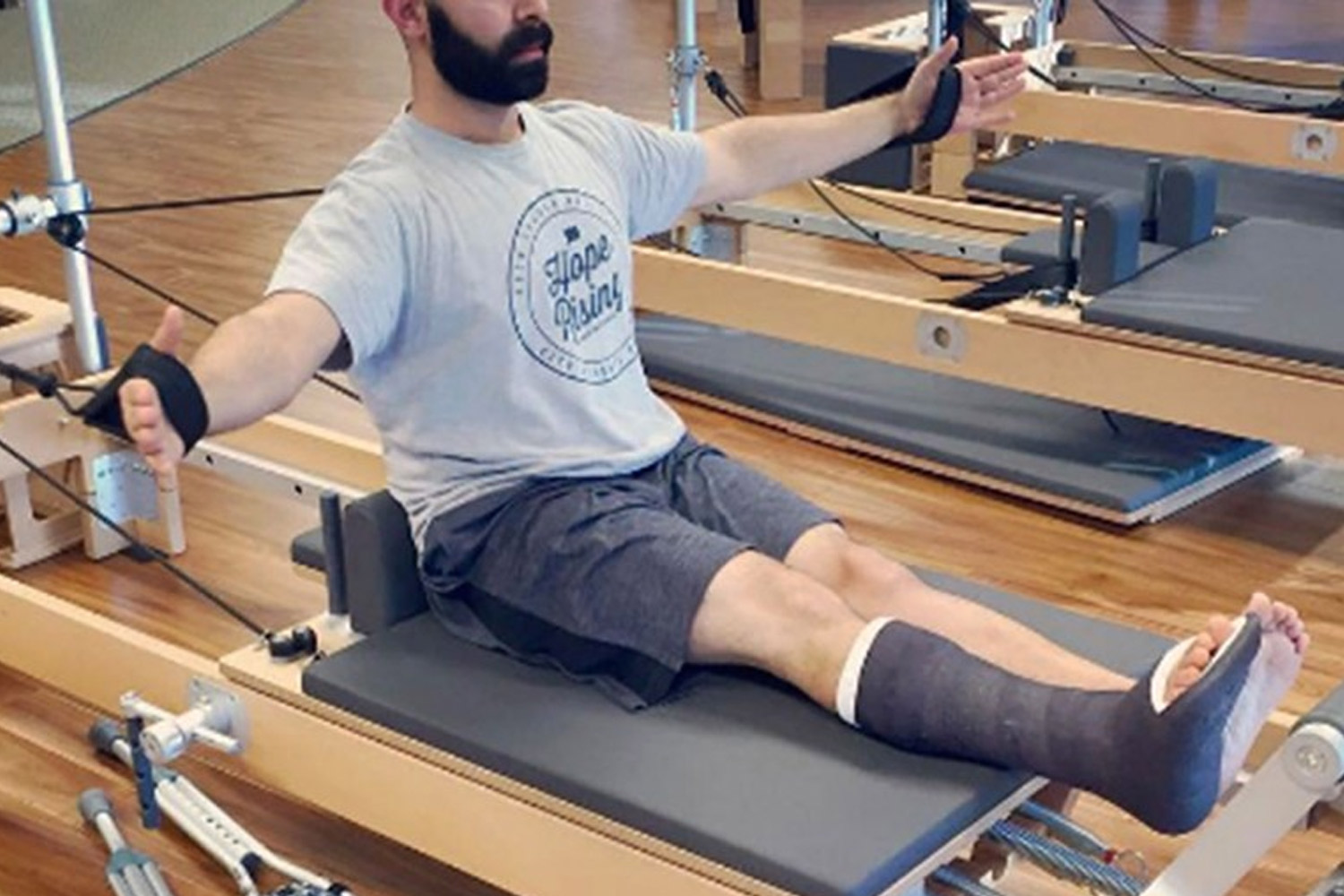
Injury recovery is a journey that often requires more than rest and medication. In Singapore, where active lifestyles are common and workplace-related strains are on the rise, many people are turning to reformer pilates Singapore programmes for both rehabilitation and long-term preventive care.
Unlike high-impact workouts, reformer pilates uses spring resistance and guided movement to help individuals rebuild strength, improve mobility, and reduce the likelihood of recurring injuries. With its adaptable nature and low-impact design, the reformer machine has become a go-to solution for physiotherapists and movement specialists seeking to help clients recover safely and sustainably.
Why Reformer Pilates is Ideal for Rehabilitation
Gentle Yet Effective Resistance Training
Reformer pilates offers adjustable resistance using springs, making it accessible for individuals recovering from injuries. The reformer machine provides support and feedback to guide proper alignment, reducing the risk of strain while gradually building muscle tone.
This approach is particularly useful for injuries involving:
-
Ligaments and tendons
-
Joint instability
-
Muscle imbalances
-
Spinal disc issues
It allows patients to move within a pain-free range while progressively improving strength and stability.
Promotes Neuromuscular Re-Education
When injuries occur, the body often compensates by overusing other muscles, creating faulty movement patterns. Reformer pilates helps retrain the nervous system to activate the correct muscles in proper sequence. This improves balance, coordination, and control—all crucial elements in the healing process.
Common Injuries Supported by Reformer Pilates
In Singapore, common injuries stemming from sports, accidents, or sedentary habits include:
-
Lower back pain from prolonged sitting or lifting
-
Knee injuries, including patellofemoral pain or post-surgical recovery
-
Rotator cuff tears or strains in the shoulder
-
Ankle sprains and foot instability
-
Neck tension due to poor posture or whiplash
Reformer-based exercises can be tailored to accommodate each condition, helping individuals ease back into movement without triggering pain or further damage.
How It Supports Specific Recovery Goals
Restoring Range of Motion
After injury, joints and muscles often become stiff. Reformer pilates encourages controlled, dynamic stretching combined with muscle activation. This helps restore mobility, particularly in joints like the hip, knee, and shoulder.
Building Core and Joint Stability
Stability is a key component of injury prevention. Reformer exercises challenge the deep stabilising muscles that support the spine, hips, and shoulders. By improving control around these joints, clients reduce the risk of future injury.
Balancing Strength Across the Body
Injuries often leave one side of the body weaker. The reformer allows for unilateral training—strengthening one limb independently—to help restore symmetry and balance in movement patterns.
Reformer Pilates as Preventive Care
Early Intervention for At-Risk Individuals
Some people are more prone to injury due to factors like poor posture, muscle imbalances, or a history of previous injuries. Reformer pilates acts as an early intervention tool, helping to correct these issues before they lead to more serious conditions.
Those who benefit most from preventive reformer training include:
-
Runners, cyclists, or dancers
-
Office workers with chronic stiffness
-
Seniors managing balance or coordination
-
People with hypermobility or joint laxity
Functional Strength for Daily Life
Reformer pilates focuses on movement patterns that translate to real-life activities. Lifting, twisting, bending, and walking all become safer and more efficient when the supporting muscles are properly trained.
By focusing on alignment, control, and breath, individuals develop a strong foundation for long-term mobility and injury-free living.
Customised Programmes for Different Recovery Needs
Studios such as Yoga Edition offer reformer pilates classes that can be adapted to suit different rehabilitation stages. Whether you are recovering from surgery or looking to prevent a previous injury from recurring, instructors can customise sessions to meet your needs.
A well-structured reformer class will include:
-
A pre-session assessment to identify weak or tight areas
-
Progressive exercises suited to your range of motion
-
Targeted movements for strength and proprioception
-
Constant feedback to ensure safe technique
The Role of Breathing and Mindfulness
Proper breathing patterns are integral to both healing and prevention. Reformer pilates incorporates conscious breathwork to help:
-
Reduce tension and anxiety
-
Improve oxygen flow to recovering tissues
-
Support spinal stability during movement
-
Build mental focus and body awareness
This mind-body connection plays a significant role in both rehabilitation and maintaining functional health.
Success Stories from Singapore Clients
Many individuals in Singapore have experienced remarkable recovery journeys through reformer pilates. A 47-year-old finance professional recovering from a slipped disc shared that her core strength significantly improved within two months, allowing her to resume jogging pain-free.
Another client, recovering from ACL reconstruction, used reformer pilates to regain quadriceps control, balance, and confidence in movement without placing stress on the joint.
Some of the results clients have shared include:
-
Fewer flare-ups of chronic back or knee pain
-
Improved range of motion in post-operative joints
-
Reduced dependence on pain medication
-
Better quality of sleep and reduced fatigue
These outcomes demonstrate the holistic benefits that extend far beyond physical repair.
What Makes Reformer Pilates Different from Other Rehab Methods
Unlike static stretching or basic physiotherapy exercises, reformer pilates engages the whole body in a dynamic and interactive way. Its use of resistance and positioning challenges the body to stabilise, adapt, and regain lost function through:
-
Safe resistance that does not overload joints
-
Adjustable settings for each stage of recovery
-
Multidirectional movement to mimic daily tasks
-
Focus on alignment to promote efficient movement patterns
This comprehensive approach supports recovery while preparing the body for long-term resilience.
FAQ: Reformer Pilates for Injury Rehab in Singapore
Q. Can I start reformer pilates immediately after an injury?
A. It depends on the injury and your doctor’s recommendation. For acute injuries, rest is essential in the early phase. Once inflammation subsides, a trained instructor can help you gradually ease into reformer-based movement that supports recovery.
Q. Is it safe for post-surgical recovery?
A. Yes, with clearance from your healthcare provider, reformer pilates can be an excellent part of post-operative rehabilitation. It helps rebuild strength and range of motion in a controlled and safe environment.
Q. Do I need prior pilates experience to start reformer rehab?
A. Not at all. Reformer classes can be tailored for beginners, including those recovering from injury. Instructors are trained to modify movements based on your mobility and tolerance.
Q. How often should I practise for injury rehabilitation?
A. Two to three sessions per week is ideal for consistent progress. However, even once-weekly sessions can help when paired with home care and guidance from your rehab specialist.
Q. How do I know if a reformer class is suitable for my condition?
A. Look for instructors with experience in injury rehab. Discuss your injury history before your first session so they can adjust the programme accordingly. Safety and proper form should be prioritised at all times.
Comments are closed.