

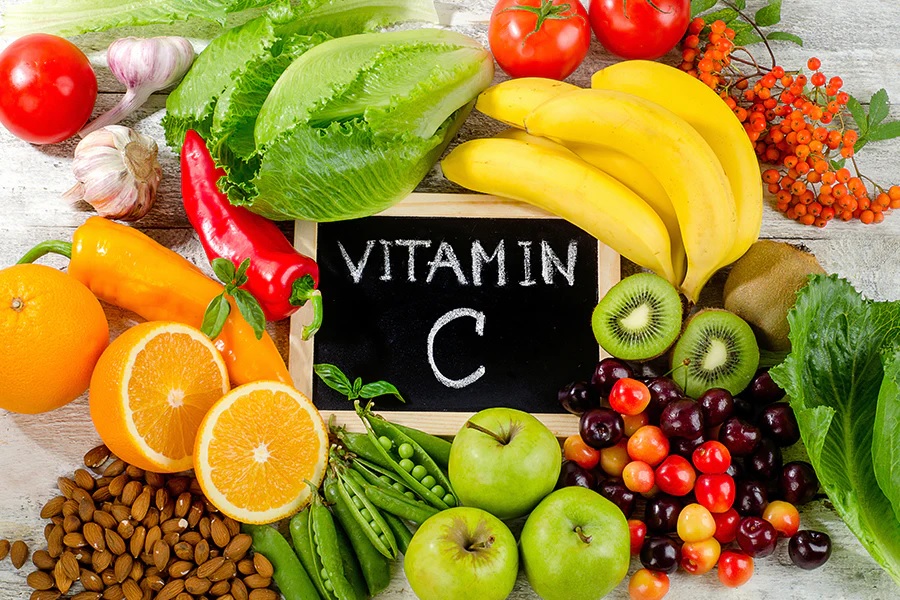
Widely celebrated for its immune-boosting properties, Vitamin C, or ascorbic acid, is a powerhouse nutrient that extends its influence far beyond warding off the common cold. In this exploration, we unravel the diverse benefits of Vitamin C, shedding light on its vital roles in maintaining overall health and well-being.
- Immune System Support
While its association with immune health is well-known, Vitamin C deserves a place of prominence. It supports the production of white blood cells and acts as an antioxidant, shielding cells from damage. Its immune-boosting prowess helps the body defend against infections and illnesses, which is why it’s usually taken as supplement form found in brands like energetix in Supplement FIrst.
- Collagen Synthesis for Skin Health
Vitamin C is a crucial player in collagen synthesis, the protein responsible for maintaining skin elasticity and strength. Adequate Vitamin C intake contributes to healthy skin, preventing premature aging, and supporting wound healing.
- Powerful Antioxidant
As an antioxidant, Vitamin C neutralizes free radicals—unstable molecules that can damage cells. This antioxidative role extends to protecting the body from oxidative stress, which is linked to chronic diseases and the aging process.
- Cardiovascular Health
Vitamin C promotes cardiovascular health by contributing to the dilation of blood vessels, improving blood flow, and supporting a healthy blood pressure. It may also assist in reducing the risk of heart disease by combating oxidative damage to arteries.
- Iron Absorption Enhancement
Vitamin C enhances the absorption of non-heme iron from plant-based sources, such as spinach and beans. This is especially beneficial for individuals following vegetarian or vegan diets, ensuring optimal iron utilization for red blood cell production. That’s why those following these diets can benefit from a vitamin C supplement from Pure Encapsulations in Supplement First.
- Brain Health and Cognitive Function
Some studies suggest that Vitamin C may play a role in preserving cognitive function and reducing the risk of age-related cognitive decline. Its antioxidant properties may help protect the brain from oxidative stress.
- Stress Reduction
In times of stress, the body’s Vitamin C levels may be depleted. Adequate Vitamin C intake can help manage stress by supporting the adrenal glands, which are involved in the production of stress hormones.
- Allergy Relief
Vitamin C exhibits antihistamine properties, making it beneficial for individuals dealing with allergies. It may help alleviate symptoms such as sneezing and itching by reducing histamine levels.
- Joint Health
Vitamin C is essential for the formation of collagen in joints and connective tissues. It contributes to the maintenance of joint health, potentially reducing the risk of conditions like osteoarthritis.
- Vision Protection
Vitamin C, along with other antioxidants, supports eye health. It may help prevent age-related macular degeneration (AMD) and other vision-related issues by protecting the eyes from oxidative damage.
- Asthma Management
Some studies suggest that Vitamin C may have a role in managing asthma symptoms. It may help reduce inflammation in the airways and improve lung function.
- Cancer Prevention
While research is ongoing, some studies indicate that Vitamin C may have a protective role against certain cancers. Its antioxidant properties may help neutralize free radicals linked to cancer development.
Wrapping It Up
Incorporating Vitamin C into a balanced diet, whether through foods like citrus fruits, berries, and vegetables or through supplements, can contribute to overall health and well-being.
Comments are closed.