

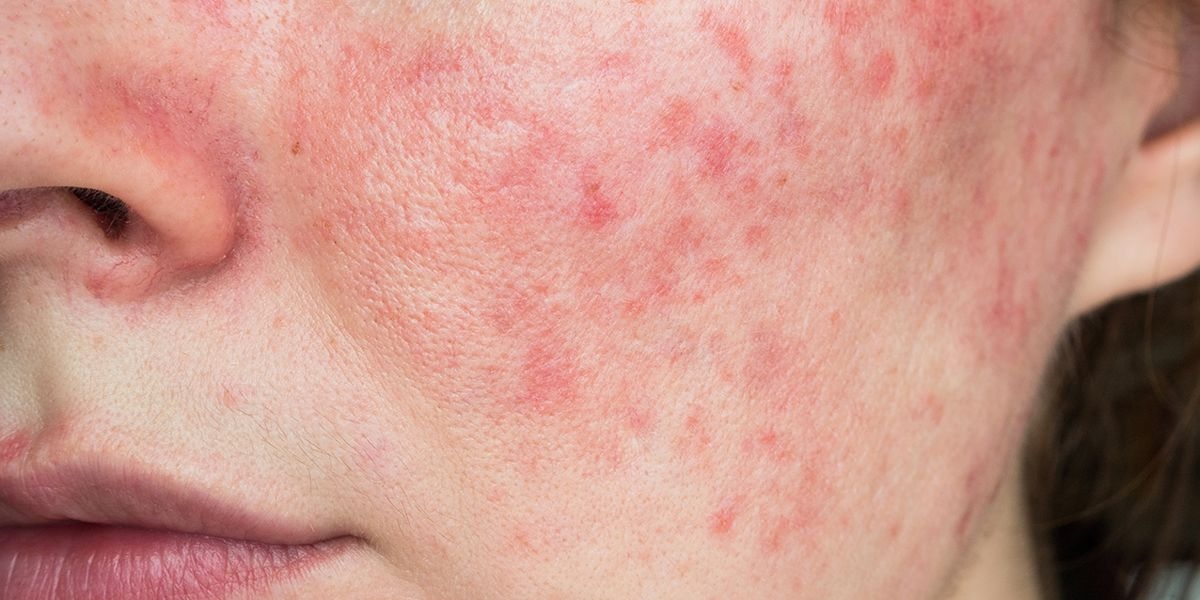
Rosacea is a common yet often misunderstood skin condition that affects millions of people worldwide. It’s characterized by redness, visible blood vessels, and acne-like bumps on the face, making it a source of discomfort and self-consciousness for those who suffer from it. In this article, we will delve into what rosacea is, what causes it, and explore various non-surgical treatment options, including the innovative Sylfirm X treatment.
Understanding Rosacea
Rosacea is a chronic skin condition that primarily affects the facial skin, causing persistent redness, visible blood vessels, and sometimes small, pus-filled bumps. It typically appears on the central part of the face, including the cheeks, nose, forehead, and chin. While rosacea can affect people of all skin types, it is most commonly found in individuals with fair skin.
Causes of Rosacea
The exact cause of rosacea is still not fully understood, but several factors are believed to contribute to its development. These factors can vary from person to person, making it challenging to pinpoint a single cause. Some common triggers and factors associated with rosacea include:
Genetics: There is evidence to suggest that rosacea may have a genetic component, with a family history of the condition increasing the risk of developing it.
Abnormal blood vessels: An overactive vascular system can lead to the visible blood vessels and redness associated with rosacea.
Demodex mites: These tiny mites, which naturally live on the skin’s surface, may play a role in the development of rosacea when they overpopulate hair follicles.
Sun exposure: Excessive exposure to sunlight and UV radiation can worsen rosacea symptoms, causing flare-ups.
Triggers: Certain environmental and lifestyle factors, such as spicy foods, hot beverages, alcohol, stress, and extreme temperatures, can trigger or exacerbate rosacea symptoms.
Non-Surgical Rosacea Treatments
Managing rosacea involves a combination of lifestyle modifications and medical treatments tailored to the individual’s specific needs. Non-surgical treatments can be highly effective in reducing redness, soothing irritated skin, and preventing flare-ups. Here are some of the most commonly used non-surgical rosacea treatments:
Topical Treatments: Topical creams and gels containing ingredients like metronidazole, azelaic acid, or sulfur can be applied directly to the affected skin. These medications help reduce redness and inflammation, and they are often prescribed as a first-line treatment for mild to moderate rosacea.
Oral Antibiotics: In cases of more severe rosacea, oral antibiotics like doxycycline, minocycline, or tetracycline may be prescribed to reduce inflammation and control symptoms. These antibiotics can help control the acne-like bumps and redness associated with rosacea.
Light and Laser Therapies: Various light and laser therapies, such as intense pulsed light (IPL) and vascular lasers, can target and minimize visible blood vessels and redness. These treatments are typically performed by dermatologists or skincare specialists.
Sylfirm X Treatment: Sylfirm X is an innovative and advanced non-surgical option for rosacea treatment. This cutting-edge technology utilizes micro-focused ultrasound to target and reduce the underlying causes of rosacea, including overactive blood vessels. Sylfirm X provides a safe and effective way to manage rosacea symptoms by stimulating collagen production, improving skin texture, and reducing redness.
Skin Care Routine: A gentle and appropriate skincare routine is crucial for rosacea management. Individuals with rosacea should opt for mild, fragrance-free cleansers and moisturizers. Avoiding harsh skincare products and abrasive exfoliants can help prevent irritation.
Sun Protection: As sun exposure is a common trigger for rosacea flare-ups, daily sun protection is essential. Use a broad-spectrum sunscreen with an SPF of at least 30 and wear a wide-brimmed hat when outdoors.
Lifestyle Modifications: Identifying and avoiding personal triggers is essential. Keep a diary of potential triggers and make necessary lifestyle adjustments to minimize their impact on your skin.
Conclusion
Rosacea is a chronic skin condition that can be challenging to manage, but with the right approach, you can soothe irritated skin and reduce its impact on your daily life. Understanding the causes of rosacea and exploring non-surgical treatment options, including Sylfirm X, can be instrumental in achieving clearer, healthier skin. Remember that managing rosacea requires patience and a tailored approach, so consult with a dermatologist to determine the best treatment plan for your unique needs. With the right care, you can effectively manage and soothe red, irritated skin, and improve your overall quality of life.
Comments are closed.