

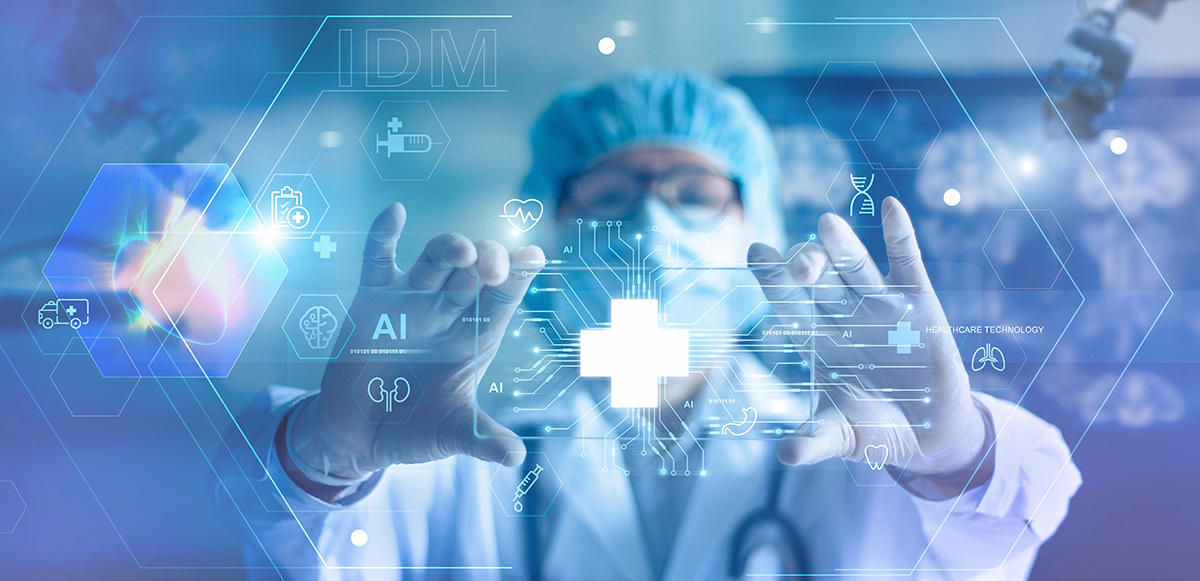
The digital era has brought with it transformative changes across nearly every sector, and health care is no exception. Technological advancements have been reshaping the way healthcare is delivered, making it more efficient, accessible, and patient-centered. From artificial intelligence to telemedicine, the digital revolution in healthcare promises not only to address current challenges but also to pave the way for groundbreaking innovations that could radically improve patient care, reduce costs, and enhance overall outcomes. As we look to the future, it’s clear that the digital era will continue to play a crucial role in the development of health care systems worldwide.
Certain types of Slaappillen require a prescription, while others are available over the counter. Prescription sleep aids tend to be stronger and may have potential side effects, including drowsiness, dependency, or dizziness. Consulting a healthcare professional before use is essential to determine the best option for individual sleep needs.
1. Telemedicine and Virtual Care
One of the most significant shifts in healthcare in recent years has been the rise of telemedicine and virtual care. By allowing patients to consult with their healthcare providers remotely, telemedicine has made healthcare more accessible, especially for those in rural or underserved areas. This trend has accelerated during the COVID-19 pandemic and continues to expand, with advancements in video conferencing technology and secure patient portals making it easier for patients to seek medical advice and treatment from the comfort of their own homes.
Telemedicine is not just limited to primary care; it is also making waves in mental health care, dermatology, and even physical therapy. Patients are now able to receive diagnoses, follow-up care, and prescriptions without ever leaving their homes. This shift could dramatically reduce the strain on in-person healthcare facilities, cut waiting times, and lower the overall cost of healthcare delivery. Furthermore, telemedicine enables healthcare providers to offer more personalized care, as they can monitor patient progress remotely, allowing for quicker adjustments in treatment plans.
2. Artificial Intelligence and Machine Learning
Artificial intelligence (AI) and machine learning (ML) are poised to become central components of healthcare innovation in the digital era. AI and ML technologies can analyze vast amounts of patient data to uncover patterns, make predictions, and provide insights that can significantly improve diagnostic accuracy and treatment plans. For example, AI-powered imaging tools are already being used to detect early signs of diseases like cancer, enabling earlier intervention and potentially saving lives.
In addition, AI can help streamline administrative tasks, such as scheduling appointments, processing claims, and managing patient records, allowing healthcare professionals to focus more on patient care. AI-driven predictive analytics can also assist healthcare providers in identifying at-risk patients, allowing for proactive interventions before conditions worsen. As the technology continues to evolve, AI is expected to become even more integrated into healthcare practices, enhancing both clinical and operational efficiency.
3. Personalized Medicine
Personalized medicine, also known as precision medicine, is another frontier of healthcare innovation in the digital age. By using genetic information, lifestyle data, and environmental factors, healthcare providers can tailor treatments and medications to the individual needs of each patient. This approach allows for more targeted therapies, reducing the likelihood of adverse reactions and increasing the effectiveness of treatments.
Genomic sequencing, combined with AI and big data analytics, allows researchers to identify genetic markers linked to various diseases, paving the way for customized therapies that are more effective and less harmful. As personalized medicine advances, it has the potential to transform the treatment of chronic conditions like cancer, diabetes, and heart disease, improving patient outcomes and reducing the need for trial-and-error treatments.
4. Wearable Technology and Remote Monitoring
Wearable devices have become increasingly common in the digital health space, offering patients and healthcare providers valuable tools for monitoring health in real-time. From fitness trackers that monitor daily activity levels to advanced wearables that track heart rate, blood oxygen levels, and even glucose levels, these devices provide continuous streams of data that can be used to track health trends and detect early signs of potential health issues.
Wearable technology is particularly beneficial for patients with chronic conditions like diabetes, hypertension, or cardiovascular disease. By continuously monitoring vital signs and offering insights into daily health patterns, these devices can help detect anomalies before they become critical, allowing for timely intervention. Additionally, wearables can help reduce hospital readmissions by providing a means for ongoing remote monitoring, reducing the need for in-person visits while ensuring that patients stay on track with their care plans.
5. Blockchain for Health Data Security
As healthcare systems become increasingly digitized, the need for robust security measures to protect sensitive patient information has never been more critical. Blockchain technology is emerging as a solution to the challenges of health data security. Blockchain’s decentralized and immutable nature makes it a powerful tool for safeguarding patient records and ensuring that data remains confidential and tamper-proof.
Blockchain can enable secure sharing of health data between providers, allowing for seamless access to medical histories across different institutions while maintaining privacy and security. Patients could also have more control over their health data, deciding who has access to their records and for how long. By ensuring the integrity and privacy of health data, blockchain technology can foster trust between patients and healthcare providers, a key factor in successful healthcare delivery.
6. Robotic Surgery and Automation
Robotic surgery and automation are rapidly transforming surgical practices, offering greater precision, smaller incisions, and faster recovery times. Robotic-assisted surgeries, like those performed with the da Vinci Surgical System, enable surgeons to perform complex procedures with greater accuracy and control, reducing the risk of human error and minimizing damage to surrounding tissue.
Automation also plays a role in improving healthcare efficiency. From robotic process automation (RPA) that handles administrative tasks to AI-assisted robotic systems that aid in surgeries, automation helps streamline operations, reduce human error, and lower costs. As the technology becomes more advanced, it’s expected that robotic systems will continue to play an increasing role in healthcare, particularly in areas such as minimally invasive surgeries, elder care, and rehabilitation.
7. Virtual Reality and Augmented Reality
Virtual reality (VR) and augmented reality (AR) are innovative technologies that are beginning to make their mark in healthcare. These technologies can be used for both medical education and patient treatment. For example, VR is being used to train medical professionals, offering immersive simulations that allow them to practice surgeries or diagnostic procedures without risk to patients. These virtual simulations help improve skills and provide experience with a variety of medical scenarios.
In addition, AR is being used in surgeries to overlay critical information, such as patient anatomy, onto the surgeon’s field of view. This helps surgeons make more informed decisions and improves precision during operations. Moreover, VR and AR have shown promise in pain management, with studies indicating that immersive virtual environments can help distract patients during procedures or assist in reducing chronic pain.
8. Health Care Accessibility and Global Impact
The digital transformation in healthcare is not only reshaping systems in developed countries but also creating opportunities to enhance healthcare delivery in low-resource settings. Telemedicine, mobile health applications, and digital health education are helping bridge the gap between rural and urban areas, providing access to medical services for people who previously lacked them.
Furthermore, digital health solutions are being used in humanitarian efforts and disaster response, helping healthcare providers deliver services in remote areas affected by conflict or natural disasters. As mobile technology continues to expand globally, the ability to deliver health services, educational resources, and medical advice directly to people’s smartphones has the potential to transform health outcomes on a global scale.
Conclusion
The future of healthcare innovation in the digital era holds immense promise. From telemedicine and artificial intelligence to wearable technology and blockchain, the digital revolution is transforming how healthcare is delivered and experienced. As technology continues to evolve, the healthcare industry will become more patient-centered, efficient, and accessible, paving the way for a healthier, more sustainable future. The future of healthcare is digital, and the potential to improve lives through innovative technologies is boundless.
Comments are closed.