

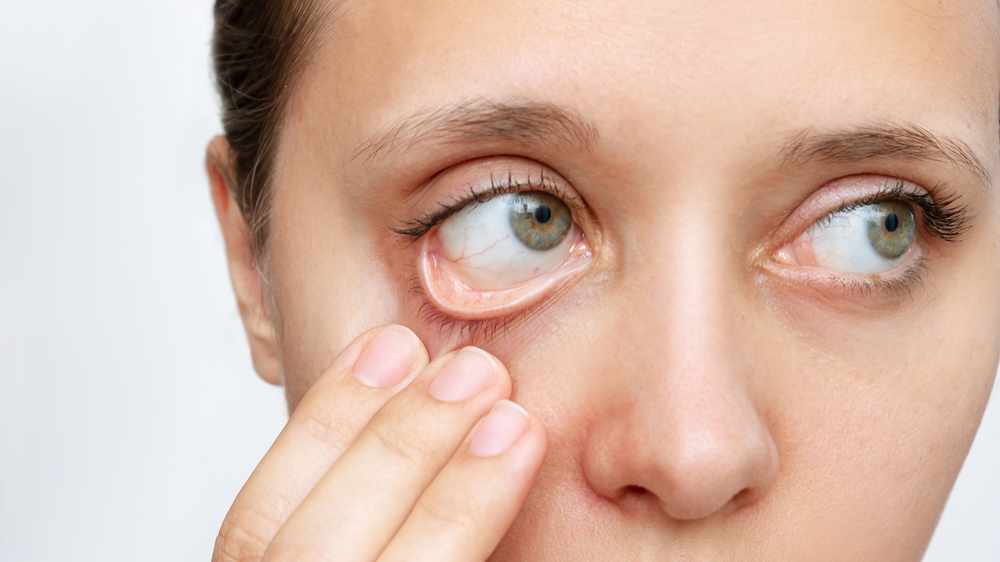
Dry Eye Syndrome (DES), also known as Keratoconjunctivitis Sicca, is a condition that affects millions of individuals worldwide. It occurs when the eyes do not produce enough tears or when the tears evaporate too quickly, leading to discomfort, redness, blurry vision, and a gritty feeling in the eyes. For individuals who suffer from Dry Eye Syndrome, finding the right eye lenses can make a significant difference in managing the condition and improving overall comfort. In this article, we will explore the best eye lenses for people with Dry Eye Syndrome, highlighting how specific lens types and features can help alleviate symptoms and improve visual clarity.
1. Understanding Dry Eye Syndrome and Its Impact
Before delving into the ideal lenses for dry eyes, it’s important to understand the root causes of the condition. Tears are essential for maintaining eye health and comfort. They provide lubrication, reduce the risk of infections, wash away foreign matter, and ensure clear vision. However, in individuals with Dry Eye Syndrome, the tear production is insufficient, or the quality of the tears is poor, leading to dry, irritated eyes.
Symptoms of Dry Eye Syndrome include:
- A burning or stinging sensation in the eyes
- Redness or inflammation of the eyes
- Sensitivity to light
- Blurry vision that improves with blinking
- The feeling of something gritty in the eye
Dry Eye Syndrome can be exacerbated by environmental factors, age, medications, and certain health conditions, making it even more crucial to choose eye lenses that address these symptoms effectively.
2. Choosing the Right Lenses for Dry Eye Syndrome
When selecting eye lenses for people with Dry Eye Syndrome, it’s essential to look for features that minimize irritation and provide the necessary moisture and protection to the eyes. Certain types of lenses, such as those with specific materials or coatings, can help reduce discomfort, enhance tear retention, and improve overall visual clarity.
3. Soft Contact Lenses for Dry Eyes
Soft contact lenses are among the most commonly prescribed lenses for people with Dry Eye Syndrome. These lenses are made from flexible, hydrophilic (water-attracting) materials that help retain moisture and provide a more comfortable experience for individuals with dry eyes. They come in several variations, each offering specific benefits for those struggling with dry eye symptoms.
Hydraglyde and Moisture-Retention Lenses
Many soft contact lenses now feature moisture-retaining technologies, such as Hydraglyde or similar moisture-locking materials. These lenses are designed to keep moisture close to the eye, reducing dryness and discomfort that often occurs during the day. Hydraglyde-coated lenses have a special hydrating agent that maintains moisture on the surface of the lens, ensuring that the eyes remain lubricated throughout the day.
Silicone Hydrogel Lenses
Silicone hydrogel lenses are a type of soft contact lens known for their ability to transmit more oxygen to the cornea compared to traditional hydrogel lenses. This enhanced oxygen flow reduces the risk of irritation and dryness that can occur with extended lens wear. Silicone hydrogel lenses are ideal for people with dry eyes because they allow for longer wear without compromising eye health, ensuring the eyes stay hydrated and comfortable.
4. Scleral Lenses for Dry Eyes
For individuals with more severe Dry Eye Syndrome, scleral lenses can be an excellent option. These lenses are larger than traditional contact lenses and are designed to vault over the cornea, creating a fluid reservoir between the lens and the eye. The reservoir is filled with a sterile saline solution, which provides a constant supply of moisture to the eye and protects it from external irritants.
The Benefits of Scleral Lenses
Scleral lenses are particularly effective for people with dry eyes because they create a barrier that prevents evaporation of natural tears. The large diameter of these lenses provides more surface area for tear retention, which can be crucial for those with severe symptoms. Moreover, scleral lenses offer protection from environmental factors such as wind, dust, and allergens, further enhancing comfort for people with Dry Eye Syndrome.
5. Daily Disposable Lenses
Daily disposable contact lenses are another excellent choice for individuals with Dry Eye Syndrome. These lenses are worn for one day and then discarded, eliminating the need for cleaning and storing lenses, which can sometimes lead to the buildup of proteins, allergens, or bacteria. Daily disposables are made from materials that retain moisture and prevent dryness, providing a fresh, comfortable experience every day.
Why Daily Disposables Work for Dry Eyes
Because daily disposable lenses are discarded after a single use, there is less chance for bacteria and protein buildup, which can irritate the eyes and exacerbate dry eye symptoms. Furthermore, these lenses are typically designed to retain moisture throughout the day, reducing the likelihood of discomfort and dryness, particularly during long hours of wear. This makes them an ideal solution for those with Dry Eye Syndrome who may struggle with the irritation caused by traditional reusable lenses.
6. Lens Coatings for Added Comfort
In addition to the type of lenses, coatings and treatments on the lenses themselves can greatly enhance comfort for those with Dry Eye Syndrome. Some lenses come with special coatings that help to reduce friction, improve moisture retention, and minimize irritation. These coatings can make a world of difference for people who experience dryness and discomfort throughout the day.
Anti-UV Coatings
Ultraviolet (UV) radiation can contribute to eye dryness and irritation, especially in bright conditions. Lenses with UV-blocking coatings help protect the eyes from harmful rays while also reducing the potential for dryness and strain caused by excessive exposure to sunlight. Choosing lenses with built-in UV protection adds an extra layer of comfort and eye health, especially when spending extended periods outdoors.
Anti-Reflective Coatings
Anti-reflective (AR) coatings help to reduce glare from bright lights, which can further irritate dry eyes. These coatings minimize the reflections and halos caused by headlights, streetlights, and other light sources, reducing strain and improving visual clarity. AR coatings are especially useful for individuals who experience eye fatigue or discomfort due to glare and bright lights.
7. The Importance of Regular Eye Exams
For those with Dry Eye Syndrome, it’s crucial to consult with an eye care professional who can recommend the most appropriate lenses based on individual needs and symptoms. Regular eye exams help identify the underlying causes of dry eyes and ensure that the lenses prescribed are the best fit for managing the condition. An eye care professional can also assess the health of the cornea and determine whether any additional treatments, such as lubricating eye drops or lifestyle modifications, may be beneficial.
8. Conclusion
People with Dry Eye Syndrome can experience significant discomfort, but choosing the right eye lenses can offer much-needed relief. Soft contact lenses with moisture-locking properties, scleral lenses that provide tear reservoirs, and daily disposable lenses are all excellent options for managing dry eyes. Additionally, coatings like anti-UV and anti-reflective coatings can further enhance comfort. Regular eye exams and consultations with an eye care professional will ensure the best possible lens choice and help individuals with Dry Eye Syndrome enjoy better eye health and comfort throughout the day. With the right lenses, those suffering from dry eyes can achieve clearer, more comfortable vision and a higher quality of life.
Comments are closed.