

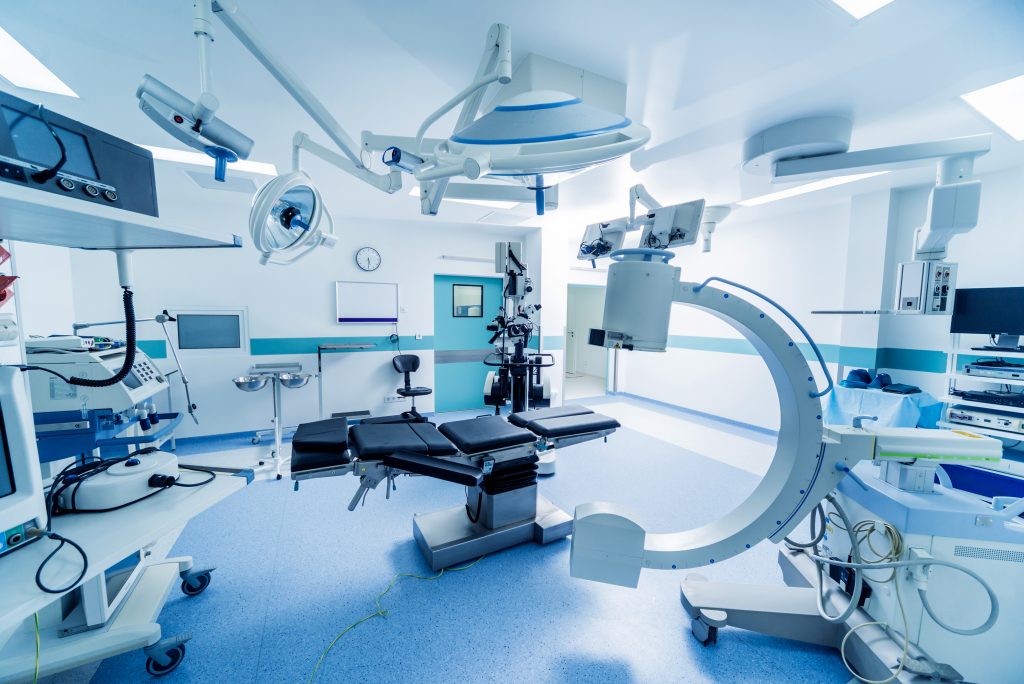
Medical equipment distribution is a critical aspect of healthcare, ensuring that hospitals and clinics have the tools they need to provide effective patient care. This process involves several complex steps, including manufacturing, quality assurance, transportation, and finally, delivery to medical facilities. In Australia, the distribution of medical equipment follows stringent guidelines to maintain high standards of healthcare.
The Manufacturing Phase
The first step in the medical equipment distribution process is manufacturing. This phase involves the creation of various devices, from simple surgical tools to complex diagnostic machines. In Australia, manufacturers must comply with the Therapeutic Goods Administration (TGA) regulations, ensuring that all products meet rigorous safety and efficacy standards. The goal is to produce reliable equipment that healthcare professionals can trust.
Quality Assurance
Once the equipment is manufactured, it undergoes extensive quality assurance testing. This stage is crucial for identifying any defects or issues that could compromise patient safety. In Australia, quality assurance involves both in-house testing by manufacturers and independent assessments by regulatory bodies. These tests include functionality checks, durability assessments, and compliance with health and safety standards.
Transportation and Logistics
After passing quality assurance, medical equipment is prepared for transportation. This involves careful packaging to protect the devices during transit and coordination with logistics companies to ensure timely delivery. In Australia, the vast distances and remote healthcare facilities present unique challenges for medical equipment distribution. Efficient logistics planning is essential to overcome these hurdles and ensure that equipment reaches its destination in optimal condition.
Delivery to Medical Facilities
The final step in the distribution process is delivering the equipment to medical facilities. This requires precise coordination to ensure that the right equipment arrives at the right location and time. In Australia, many healthcare facilities operate in rural and remote areas, making delivery logistics even more critical. The use of advanced tracking systems helps in monitoring the shipment’s progress and ensuring timely delivery.
The Role of Veteran Medical Service Providers
Veteran medical service providers play a crucial role in the distribution of medical equipment. Their extensive experience and expertise ensure that the entire process runs smoothly, from manufacturing to delivery. These service providers understand the unique challenges of the Australian healthcare landscape and work diligently to meet the needs of medical facilities across the country.
Medical equipment distribution is a vital process that underpins the effectiveness of healthcare systems. In Australia, this involves stringent manufacturing standards, rigorous quality assurance, efficient transportation logistics, and precise delivery coordination. By understanding the behind-the-scenes efforts involved in this process, we can appreciate the dedication and expertise required to ensure that medical facilities are well-equipped to provide high-quality patient care.
Comments are closed.