

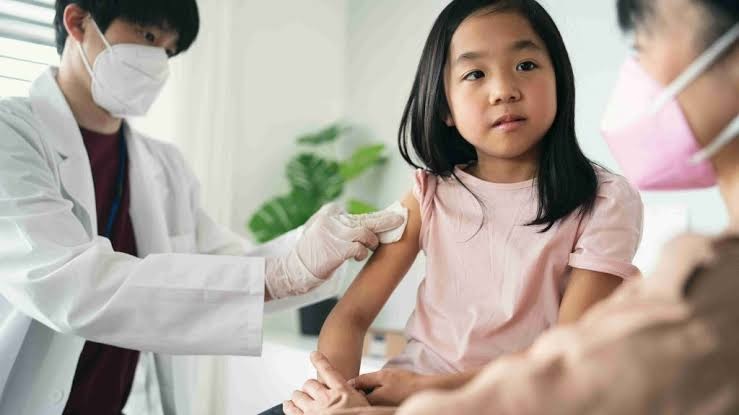
Vaccination is one of the most effective public health measures for protecting children against serious infectious diseases. In Singapore, the National Childhood Immunisation Schedule (NCIS) provides evidence-based recommendations on the vaccines children should receive at different stages of development. These recommendations are designed to protect both individual children and the wider community from vaccine-preventable diseases.
Despite the availability of reliable medical information, misconceptions about children’s NCIS vaccinations continue to circulate online and through word of mouth. Understanding the facts can help parents make informed decisions in partnership with their child’s healthcare provider.
What Are Children’s NCIS Vaccinations?
The National Childhood Immunisation Schedule (NCIS) outlines the recommended vaccines for infants, children, and adolescents in Singapore. The schedule is developed based on scientific evidence and is regularly reviewed to reflect current medical knowledge and public health needs.
Singapore’s children’s NCIS vaccinations help protect against diseases such as hepatitis B, diphtheria, tetanus, pertussis (whooping cough), polio, measles, mumps, rubella, pneumococcal disease, and other potentially serious infections.
Healthcare providers recommend following the schedule as closely as possible because vaccines are timed to provide protection when children are most vulnerable.
Myth 1: Vaccines Cause the Diseases They Are Designed to Prevent
Fact
One common misconception is that vaccines give children the diseases they are meant to protect against.
In reality, the vaccines included in the NCIS vaccinations for children either contain inactivated organisms, weakened forms of viruses that cannot cause disease in healthy individuals, or selected components of bacteria or viruses that stimulate an immune response. These ingredients help the immune system recognise future infections without causing the illness itself.
Some children may experience mild side effects, such as soreness at the injection site, low-grade fever, or temporary fussiness. These reactions are generally short-lived and indicate that the immune system is responding.
Myth 2: Natural Immunity Is Always Better Than Vaccination
Fact
Recovering from certain infections can produce natural immunity, but doing so may also expose a child to potentially serious complications.
Diseases such as measles, meningitis, and whooping cough can lead to hospitalisation or long-term health problems in some children. Vaccination allows the immune system to build protection without requiring the child to experience the disease and its associated risks.
For this reason, children NCIS vaccinations are considered an important part of preventive healthcare.
Myth 3: Too Many Vaccines Overwhelm a Child’s Immune System
Fact
Children encounter thousands of bacteria, viruses, and other foreign substances every day through normal activities such as eating, playing, and interacting with their environment.
Research shows that the immune system is capable of responding to multiple vaccines at the same visit. Receiving recommended vaccines according to the NCIS schedule does not overload the immune system and helps ensure timely protection during early childhood.
Healthcare professionals carefully evaluate vaccine schedules to maximise safety and effectiveness.
Myth 4: If Other Children Are Vaccinated, My Child Doesn’t Need Vaccination
Fact
Community protection, sometimes referred to as herd immunity, helps reduce the spread of infectious diseases within a population.
However, community protection is strongest when a high proportion of individuals are vaccinated. Delaying or declining vaccination may leave children vulnerable to infections, particularly during outbreaks or international travel.
Following the recommended children NCIS vaccinations schedule contributes to both individual and community health.
Myth 5: Vaccines Are No Longer Necessary Because These Diseases Are Rare
Fact
Many vaccine-preventable diseases have become less common because vaccination programmes have been highly successful.
However, these diseases have not disappeared completely. International travel and global movement allow infectious diseases to spread between countries, making ongoing vaccination programmes important for maintaining protection.
Continuing routine immunisation helps prevent the return of diseases that were once widespread.
How Parents Can Make Informed Decisions
Parents often have questions about vaccines, and discussing these concerns with a trusted healthcare provider is encouraged.
Reliable sources of information include your family doctor, paediatrician, and official public health organisations. They can explain the purpose of each vaccine, discuss possible side effects, and provide guidance tailored to your child’s medical history.
Keeping an updated vaccination record also helps ensure your child receives recommended vaccines according to the schedule.
Conclusion
Vaccination is one component of a child’s overall health, alongside balanced nutrition, regular physical activity, adequate sleep, good hygiene, and routine health check-ups.
By understanding the facts behind common misconceptions, parents can make confident healthcare decisions based on scientific evidence rather than misinformation.
Following the recommended children NCIS vaccination schedule provides children with timely protection against vaccine-preventable diseases and supports a healthier future for families and communities alike.
Comments are closed.