

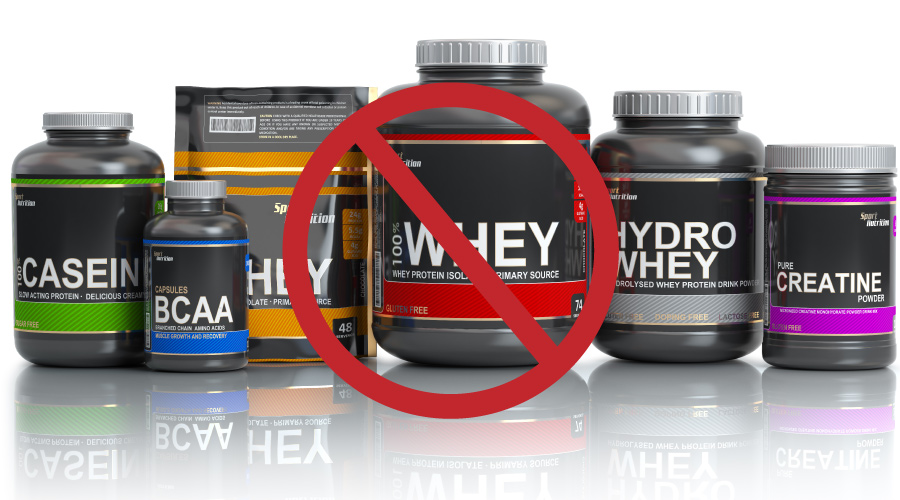
Dietary supplements are widely used to support nutrition, improve energy, and maintain overall wellness. However, the supplement market also includes products that promote misleading or exaggerated claims. Learning how to recognize unreliable statements helps protect your health and prevents wasted money.
This guide explains how to identify fake supplement claims using practical evaluation methods that support safer decisions.
Understand the Difference Between Support and Cure Claims
Reliable supplements are designed to support normal body functions. They are not meant to cure diseases or replace medical treatment.
Be cautious if a supplement claims to:
- Cure chronic illnesses instantly
- Replace prescribed medications
- Reverse aging quickly
- Eliminate serious conditions permanently
Such claims are not consistent with responsible health guidance.
Look for Evidence Based Information
Trustworthy supplements are supported by scientific research rather than marketing promises.
Reliable products usually provide:
- Clear ingredient explanations
- Research summaries or references
- Transparent dosage information
- Realistic expected benefits
If evidence is missing or unclear, the product should be reviewed carefully before use.
Watch for Instant Result Promises
Health improvements normally take time and consistency. Claims promising immediate transformation often indicate misleading marketing.
Examples of unrealistic promises include:
- Rapid weight loss without lifestyle change
- Immediate muscle gain within days
- Overnight energy improvement
- Instant detoxification results
Gradual improvement is a more accurate expectation for nutritional support products.
Be Careful With Celebrity Endorsements Without Context
Some supplements use well known personalities to build trust, even when those individuals are not medical experts.
Before trusting endorsements:
- Confirm whether the person has relevant qualifications
- Check whether the endorsement is promotional
- Look for supporting scientific information
Expert guidance is more reliable than marketing influence.
Examine the Ingredient Transparency Carefully
Safe supplement products clearly list all ingredients and their quantities.
Warning signs include:
- Missing ingredient amounts
- Proprietary blends without details
- Unclear labeling language
- Lack of allergen information
Transparent labeling improves confidence in product quality.
Avoid Products Claiming Universal Effectiveness
Every individual responds differently to supplements based on health status, diet, age, and lifestyle.
Suspicious claims often include statements such as:
- Works for everyone
- Guaranteed results for all users
- No variation in effectiveness
Responsible supplement manufacturers acknowledge individual differences.
Check for Third Party Testing Information
Independent testing helps confirm product quality and safety.
Reliable supplement packaging often mentions:
- Laboratory testing verification
- Manufacturing quality standards
- Purity confirmation procedures
- Safety compliance practices
Products without verification details should be evaluated more carefully.
Be Alert to Emotional Marketing Language
Some supplement advertisements rely on urgency rather than evidence.
Examples include:
- Limited time miracle solution
- Secret formula discovered recently
- Hidden ingredient doctors do not want you to know
- Exclusive breakthrough unavailable elsewhere
These statements are designed to influence decisions quickly rather than inform responsibly.
Compare Claims With Official Nutrition Guidance
Health authorities publish recommended intake ranges for vitamins and minerals. Supplements claiming extremely high effectiveness at unusually low doses may not be reliable.
Checking claims against recognized nutrition guidance helps confirm whether expectations are realistic.
Monitor Your Body Response After Starting Supplements
Even when a product appears reliable, observing your response is important.
Watch for:
- Unexpected side effects
- Digestive discomfort
- Changes in sleep patterns
- Allergic reactions
Tracking reactions supports safer supplement use over time.
Frequently Asked Questions
Why are fake supplement claims common in the health industry
The supplement market is large and competitive, which encourages some companies to exaggerate benefits to attract attention.
Are expensive supplements always more trustworthy
Higher price does not guarantee quality. Ingredient transparency and testing standards are more reliable indicators.
Can packaging design help identify unreliable supplements
Professional packaging alone does not confirm safety. Accurate labeling and evidence based information matter more.
Do fake supplement claims appear more often online than in stores
Misleading claims can appear both online and offline, though online advertisements may spread faster.
Should supplements with unfamiliar ingredients be avoided
Products with unfamiliar ingredients should be researched carefully before use to confirm safety and effectiveness.
How can consumers verify supplement brand credibility
Checking manufacturing standards, ingredient transparency, and independent testing information helps confirm credibility.
Is it safe to rely on customer reviews when evaluating supplements
Customer reviews can provide insight but should not replace scientific evidence or professional guidance when choosing supplements.
Comments are closed.