

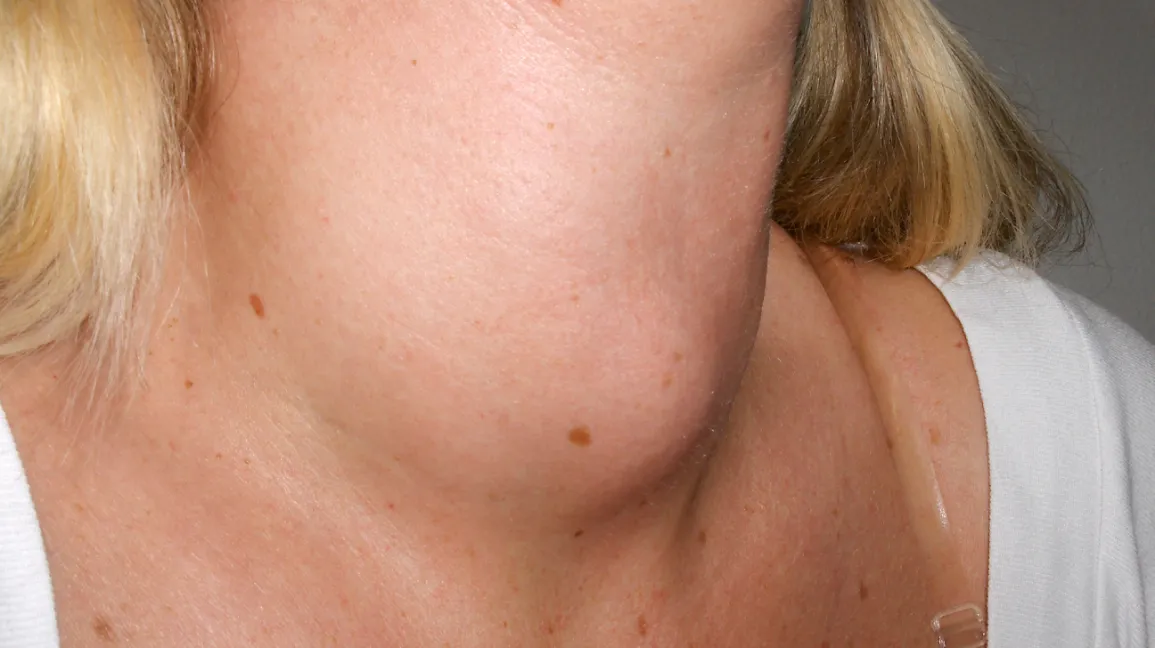
Goiter, a condition characterized by the enlargement of the thyroid gland, impacts millions globally, particularly in regions where iodine deficiency is prevalent. While this condition can appear anywhere, its occurrence has a notable relevance in certain parts of Asia, including Thailand. Understanding the underlying causes, recognizing the symptoms, and learning about goiter treatment options are essential to proactively managing the condition.
What Causes Goiter?
Goiter can develop due to a variety of reasons. One primary cause is iodine deficiency, as iodine is critical for thyroid function. Thailand, like many other countries, has addressed this issue through initiatives such as iodized salt programmes, which have successfully reduced iodine-deficiency-related goiter over the decades.
Other causes include autoimmune diseases such as Graves’ disease or Hashimoto’s thyroiditis, hormonal imbalances, or nodules in the thyroid gland. Environmental factors and genetics may also play an indirect role in the development of this thyroid condition.
Symptoms to Watch Out For
Goiter symptoms depend on the extent of thyroid enlargement and whether the thyroid functions normally, is underactive (hypothyroidism), or overactive (hyperthyroidism). Some common symptoms include:
- Visible swelling in the neck
- Difficulty swallowing or breathing (in advanced cases)
- Fatigue
- Weight changes and irregular heart rate (if related to thyroid hormone imbalance)
It is essential to seek medical advice if you notice any unusual swelling or persistent symptoms in this area.
How Is Goiter Diagnosed?
Diagnosis typically starts with a physical examination of the neck. A healthcare professional may perform thyroid function tests to check hormone levels, and imaging tests, such as ultrasound, to analyze gland structure. In certain cases, a biopsy may be recommended to rule out underlying malignancies.
Goiter Treatment Options
Effective goiter treatment depends on the underlying cause:
- Iodine Supplementation
For iodine deficiency-based goiter’s, increasing iodine intake, under medical supervision, can help reduce swelling.
- Medication
Thyroid hormone replacement therapy may be prescribed for cases linked to hypothyroidism, while antithyroid drugs are used for hyperthyroidism.
- Surgery
If the swelling causes significant discomfort, difficulty breathing, or swallowing, or if malignancy is suspected, surgical removal of part or all of the thyroid gland could be an option.
- Radioactive Iodine Therapy
This treatment modality might be used to shrink the gland in cases of hyperthyroidism.
Managing Goiter in Thailand
The prevalence of iodine deficiency-related goiters in Thailand has significantly declined in recent years thanks to public health interventions. However, thyroid conditions remain an important focus of healthcare. Incorporating iodine-rich foods into your diet, such as seafood and iodized salt, is one step that can help prevent this condition. For individuals in regions with existing iodine-rich diets, regular health check-ups and awareness about symptoms remain critical.
Goiter, while often manageable, is a condition that warrants attention. Understanding its causes, recognizing symptoms early, and seeking appropriate goiter treatment are the first steps in addressing it effectively. By staying informed and adopting preventive measures suitable to Thailand’s unique landscape, individuals can safeguard their thyroid health and overall well-being.
Comments are closed.