

Introduction: The Importance of Choosing Wisely
An Ayahuasca retreat can be a deeply transformative experience, offering healing and profound insights. However, not all retreats are created equal, and choosing the wrong one can lead to unsafe or disappointing experiences. The right retreat prioritizes safety, legality, and participant well-being, ensuring you can focus fully on your journey.
In this blog, we’ll guide you through the key factors to consider when selecting a safe and reputable Ayahuasca retreat, helping you make an informed decision for a meaningful and secure experience.
1. Verify Legal Compliance
Ayahuasca is illegal in all Western countries due to its DMT content. Some retreats operate legally in countries like Peru, Brazil, or Colombia, where Ayahuasca has cultural and legal protections.
What to Look For:
- Retreats based in countries where Ayahuasca is legal and culturally integrated.
- Transparent legal policies and compliance with local regulations.
Warning: Attending a retreat in a country where Ayahuasca is illegal can lead to legal risks and complications.
2. Research the Retreat’s Reputation
A retreat’s reputation speaks volumes about its safety and effectiveness. Take time to research:
- Testimonials and reviews: Look for consistent positive feedback from past participants.
- Word-of-mouth recommendations: Talk to trusted individuals who have attended retreats.
- Online presence: Reputable retreats often provide detailed websites, social media, or public resources about their practices.
Tip: Be wary of retreats with vague or overly promotional claims, especially if they lack reviews or detailed information.
3. Evaluate the Experience of Facilitators
The facilitators play a critical role in ensuring a safe and meaningful ceremony. Look for:
- Training and credentials: Facilitators should have extensive experience with Ayahuasca ceremonies, preferably in traditional or therapeutic contexts.
- Trauma-sensitive approaches: Ensure facilitators are trained to handle challenging emotions and trauma that may arise.
- Medical knowledge: Some retreats have medical professionals on-site for added safety.
Tip: Avoid retreats with unqualified or inexperienced facilitators.
4. Assess Safety Protocols
Safety should be a top priority for any Ayahuasca retreat. Reputable retreats provide:
- Screening processes: Participants should be asked about their medical history, medications, and mental health to assess contraindications.
- Emergency protocols: The retreat should have plans for handling adverse reactions or medical emergencies.
- Controlled environment: Ceremonies should take place in a secure, distraction-free setting.
Warning: Avoid retreats that downplay risks or fail to screen participants properly.
5. Examine the Integration Process
Integration—the period of reflection and application after the ceremony—is essential for turning insights into lasting change. A reputable retreat offers:
- Dedicated integration sessions: Facilitators should guide participants through post-ceremony reflections.
- Ongoing support: Look for retreats that provide access to follow-up resources, such as group meetings or therapy referrals.
- Encouragement of self-care practices: Integration should include suggestions for journaling, mindfulness, or other grounding techniques.
Tip: Avoid retreats that focus solely on the ceremony without supporting participants afterward.
6. Understand the Cultural Context
Ayahuasca has deep roots in indigenous Amazonian cultures. A good retreat honors these traditions while ensuring they are accessible and respectful to participants from diverse backgrounds. Look for:
- Authenticity: Retreats led by indigenous shamans or facilitators trained in traditional practices.
- Cultural respect: A clear acknowledgment of Ayahuasca’s origins and its ceremonial significance.
- Balanced integration: Practices that blend tradition with modern therapeutic approaches.
Warning: Be cautious of retreats that appropriate or misrepresent indigenous practices for profit.
7. Consider Alternatives
If Ayahuasca’s intensity, legal status, or purging effects feel daunting, consider alternatives like psilocybin retreats. Psilocybin, found in magic mushrooms and truffles, shares many characteristics with Ayahuasca, facilitating profound insights without the same physical challenges or legal risks.
Psilocybin is legal in countries like the Netherlands, where retreats are professionally managed and highly regarded for their focus on safety and participant well-being.
Conclusion: Safety and Professionalism First
Choosing a safe and reputable Ayahuasca retreat requires thorough research and careful consideration. Prioritize retreats that:
- Operate legally and transparently.
- Employ experienced, trauma-informed facilitators.
- Offer strong safety protocols and integration support.
For those looking for a legal and accessible alternative, psilocybin retreats provide a similar opportunity for emotional, psychological, and spiritual growth. Organizations like Awayk Retreats offer professionally guided psilocybin experiences with a focus on preparation, integration, and safety, ensuring a transformative journey in a secure environment.
Whether you choose Ayahuasca or psilocybin, the key to a meaningful experience lies in selecting a retreat that puts your well-being first. Take your time, ask questions, and choose wisely to embark on a journey of profound discovery and healing.
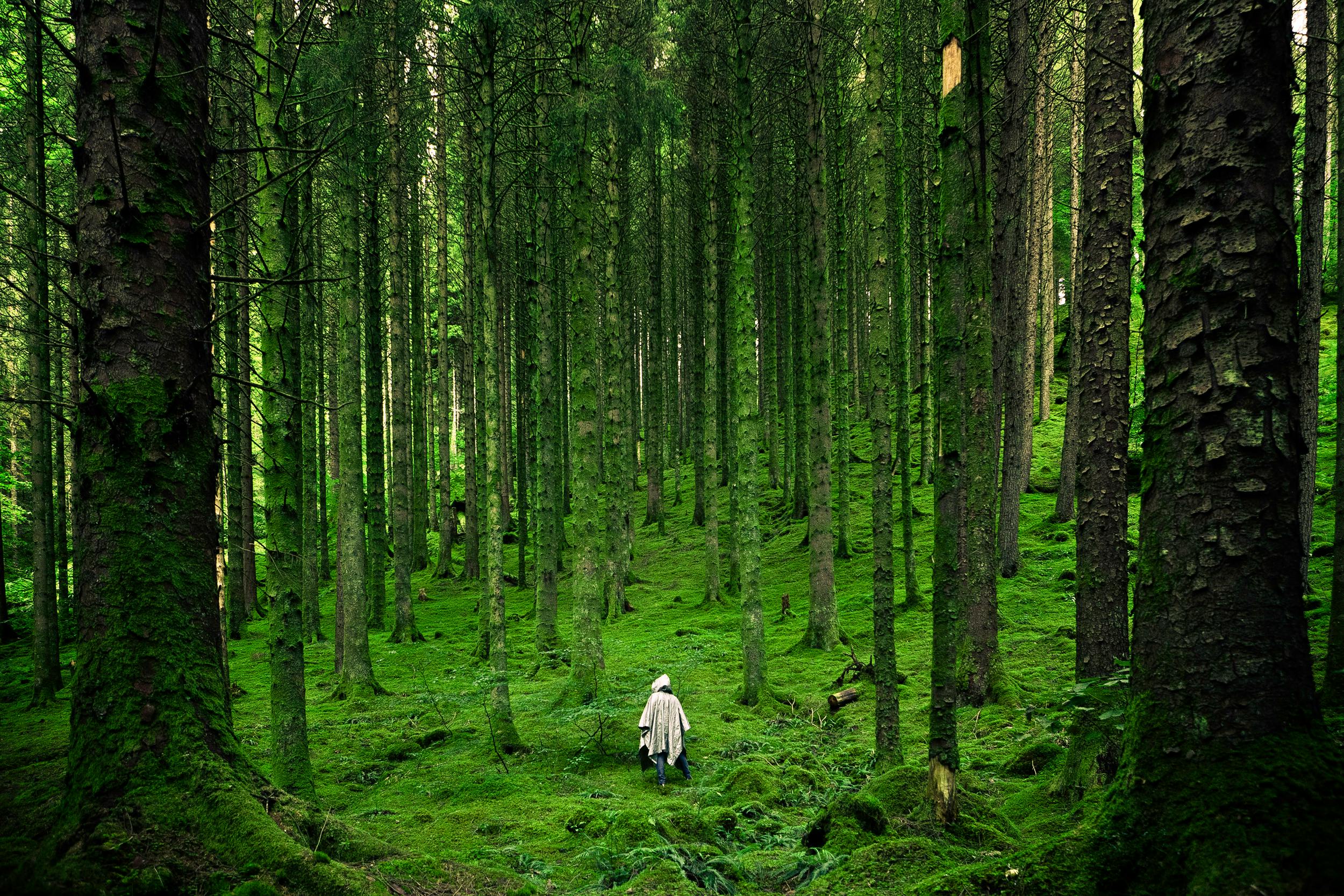
Afbeelding: https://www.pexels.com/nl-nl/foto/persoon-loopt-tussen-groene-bosbomen-15286/
Comments are closed.